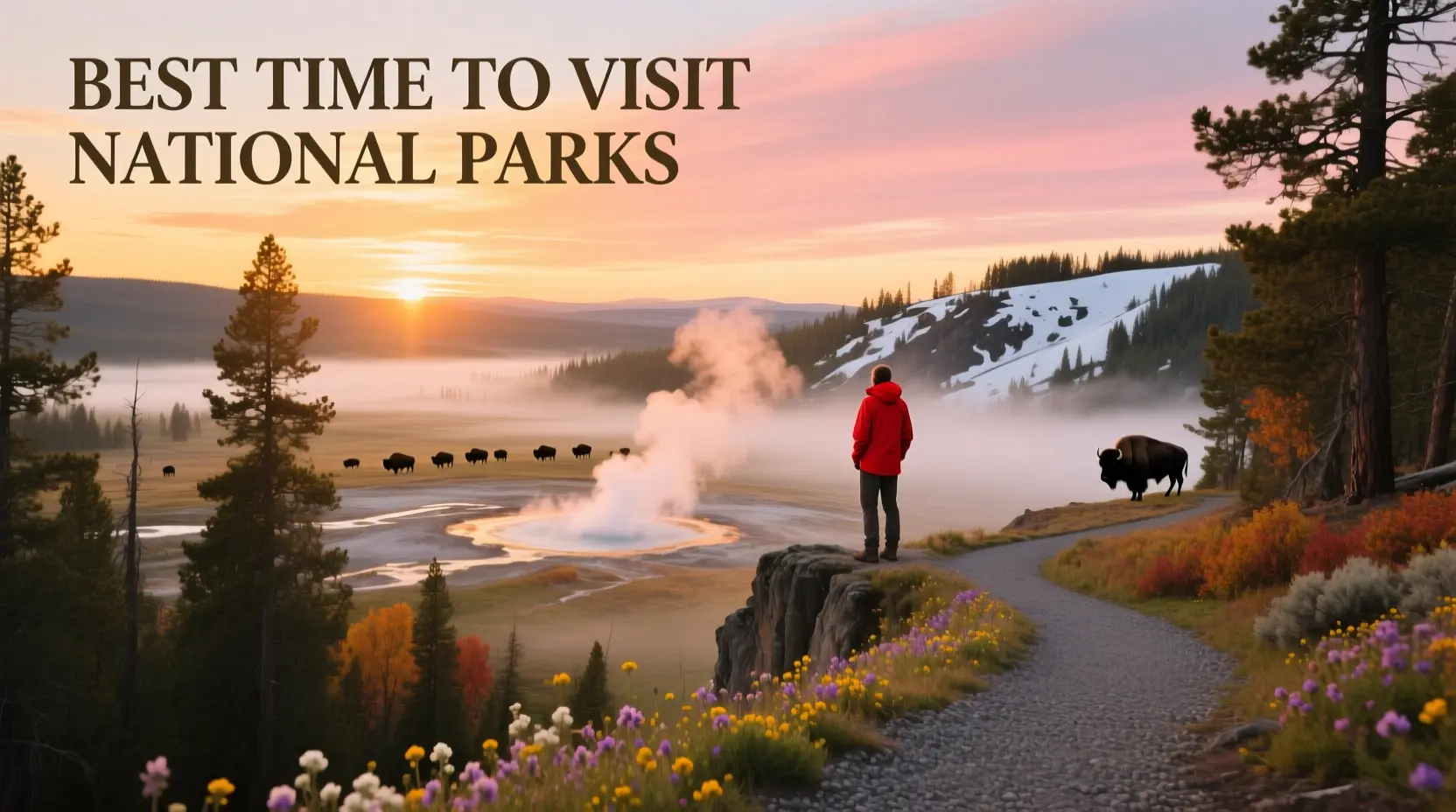
National parks are special places where nature shows its true beauty. They have mountains, rivers, forests, and wildlife that you cannot see anywhere else.
Visiting a national park can be relaxing, fun, and full of adventure. But to enjoy them the most, it is important to pick the right time to visit.
The weather, crowd, and wildlife activity can change during the year. In this guide, we will help you understand the best times to visit national parks so your trip is safe, enjoyable, and memorable.
Consider the Seasons
National parks change a lot with the seasons. In spring, flowers bloom, and animals come out after winter. Summer is warm and perfect for hiking or camping, but it can be crowded. Fall brings beautiful colored leaves and cool weather, making it ideal for photography. Winter is quiet, and some parks are covered in snow, perfect for skiing or peaceful walks. Choosing the season that matches your interest will make your visit more enjoyable.
Early Morning or Late Afternoon Visits
The time of day also matters when visiting a national park. Early morning is great because the air is fresh, and animals are active. You can enjoy quiet trails and less crowded spots. Late afternoon is another good time because the sun is softer, making the views beautiful. If you want to take photos, sunrise and sunset create amazing lighting. Avoid the middle of the day in summer as it can be very hot and busy.
Avoid Peak Crowds
National parks are popular, so crowds can affect your experience. Holidays and weekends are usually the busiest times. If possible, plan your visit on weekdays or during less popular months. Visiting during quieter times gives you more space, better wildlife viewing, and a peaceful experience. Check the park’s website for information about busy times and plan your trip accordingly.
Weather and Safety
Weather is important when choosing the best time to visit. Rain, snow, or extreme heat can make hiking and outdoor activities difficult. Spring and fall usually have mild weather in most parks. Summer can be hot, and winter may bring snow and closed roads. Always check the weather forecast before your trip. Dress in layers, wear good shoes, and carry water to stay safe and comfortable.
Special Events and Wildlife
Some national parks have special events or natural phenomena that attract visitors. For example, in Yellowstone, you can see baby animals in spring. In the Great Smoky Mountains, fall brings colorful leaves. Bird migrations, wildflower blooms, or star-gazing nights are other special experiences. Planning your visit around these events can make your trip even more memorable.
Conclusion
The best time to visit national parks depends on what you want to see and do.
Spring and fall are often the most pleasant, with good if and fewer crowds. Early morning and late afternoon visits give the best views and peaceful experiences.
Avoiding holidays, checking the weather, and planning for special events can make your trip safe and enjoyable.
No matter when you go, national parks always offer a chance to connect with nature, relax, and create unforgettable memories.