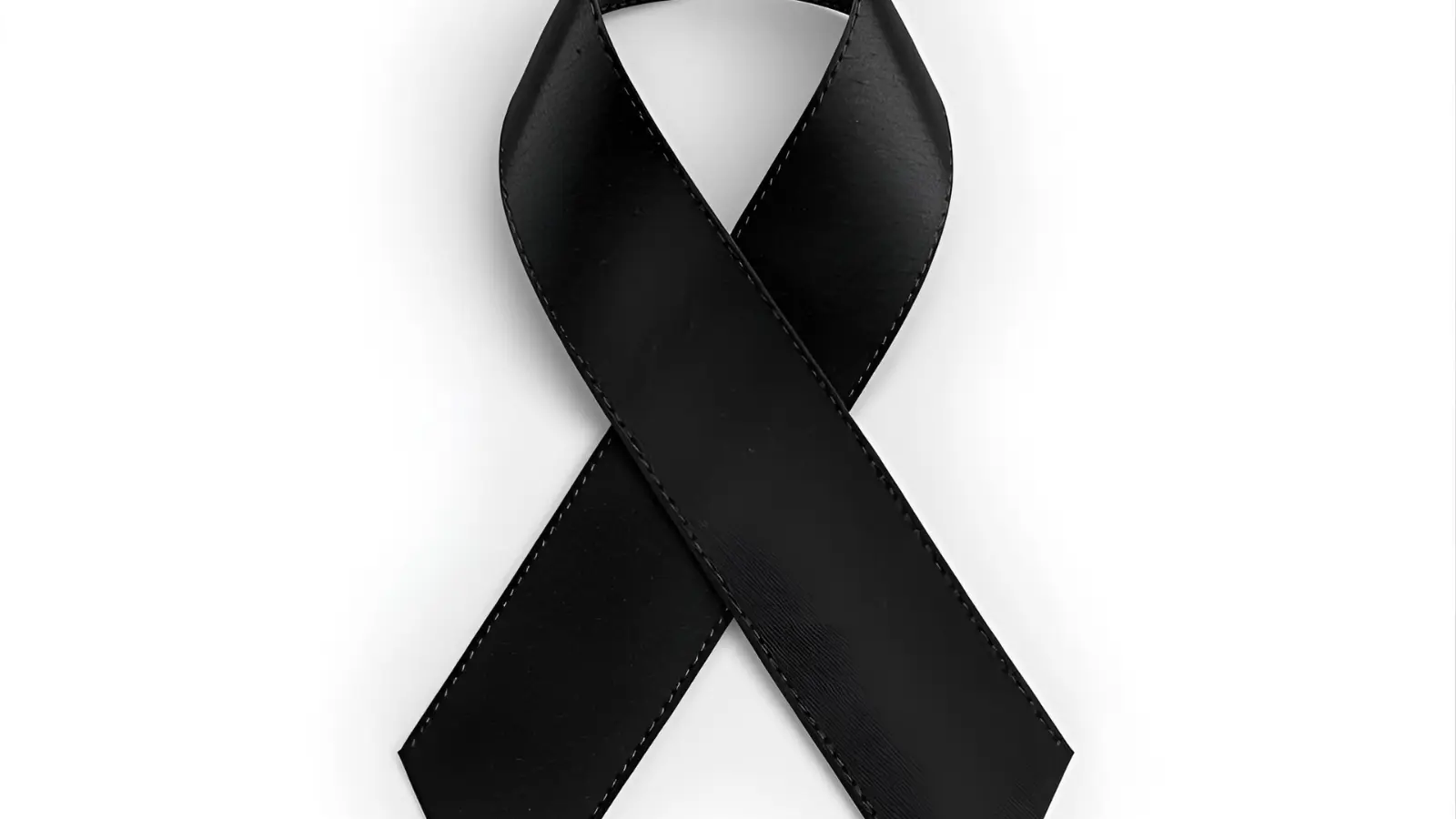
In a world where we communicate through emojis, colors, symbols, and hashtags, even a simple ribbon can speak louder than words.
And among all ribbon colors, the black one stands out the most—mysterious, bold, emotional, and deeply symbolic.
If you’ve ever wondered what the 🚀black ribbon meaning🚀 represents across culture, social media, and real-life events, this is your ultimate deep dive.
Before we explore all the layers behind this powerful symbol, here’s the fast, scroll-friendly breakdown.
🔍 Quick Answer (TL;DR)
A black ribbon is universally recognized as a symbol of mourning, remembrance, loss, respect, and solidarity.
It is often used to honor someone who passed away, show support during tragic events, or raise awareness about causes related to grief, memorials, and resilience.
Its meaning can slightly shift depending on cultural context, online usage, or the situation in which it’s worn or posted.
🖤 Why the Black Ribbon Matters
Black has always carried emotional weight. It’s bold, deep, and symbolic. The black ribbon takes that power and reshapes it into a message—one of empathy, strength, and memory.
While some ribbons represent positivity and awareness, the black version leans into solemnity. It’s a quiet way of saying:
“I stand with you. I remember. I care.”
Let’s explore the many layers behind this small yet meaningful symbol.
Cultural and Historical Significance of the Black Ribbon
The black ribbon didn’t just appear out of nowhere—it evolved through centuries of customs and visuals.
H3: Mourning Traditions Across Cultures
Different cultures have embraced black as a mourning color:
- Western cultures: Black outfits are traditionally worn at funerals. The black ribbon expanded from clothing to symbolic use.
- European customs: Black bands or ribbons on sleeves were once common for weeks or months after someone’s passing.
- Global symbolism: Even cultures that do not use black for mourning recognize the ribbon as a universal grief symbol.
Despite cultural differences, the ribbon transcends borders. It acts as a respectful, understated sign of loss.
Modern-Day Meanings Behind the Black Ribbon
The black ribbon today carries multiple interpretations—and all of them revolve around emotional depth, remembrance, and solidarity.
H3: 1. Mourning and Loss
This is the most widely known meaning.
People wear or share a black ribbon to:
- Honor someone who has passed away
- Show support to grieving families
- Respect a public figure’s death
- Participate in memorial events
The message is subtle but powerful—a moment of silence represented visually.
H3: 2. Remembrance and Tribute
The ribbon is not only about grief—it’s also about memory.
You’ll often see black ribbons used during:
- Anniversaries of tragic events
- National memorial days
- Social media moments of remembrance
- Candlelight vigils
- Tribute posts for loved ones
It’s a way to keep stories, legacies, and memories alive.
H3: 3. Raising Awareness
While many ribbon colors represent awareness movements (like pink for breast cancer), the black ribbon is linked to:
- Awareness about tragedies
- Advocacy for justice after incidents
- Support for victims and their families
- Resilience and community healing
Instead of speaking loudly, the ribbon communicates quietly—but effectively.
H3: 4. Solidarity During Tragedies
During heartbreaking global events, you might notice people changing their profile pictures to include a black ribbon.
It symbolizes:
- Sympathy
- Emotional support
- Unity
- Respect
The simplicity makes it universal—anyone can use it to show empathy.
Black Ribbon in the Digital Era
Social media changed everything. Now, a ribbon isn’t just pinned to clothing—it’s shared, posted, or added as an overlay.
H3: How Black Ribbons Are Used Online
You might see them:
- In profile pictures
- As part of tribute posts
- In memorial hashtags
- On digital banners after tragedies
- In awareness campaigns
Because online platforms move fast, the black ribbon helps people respectfully acknowledge grief-related events without needing long explanations.
H3: The Emotion Behind Digital Symbolism
The digital version of the ribbon often represents:
- Support from afar
- Collective mourning
- Global unity
Even strangers come together under this simple symbol.
Real Life Scenarios Where You’ll See a Black Ribbon
Let’s place this symbol in context with some relatable, real-world examples.
H3: 1. At Schools or Universities
When a student or teacher passes away, institutions may:
- Distribute black ribbons
- Add them to uniforms
- Display them at assemblies
- Use them on posters or digital screens
It becomes a shared sign of mourning and respect.
H3: 2. At Sports Events
Teams sometimes wear black ribbon patches on their uniforms to honor:
- A teammate
- A coach
- A national tragedy
- A beloved community figure
It’s a gesture of unity and tribute.
H3: 3. In Workplaces
Companies might distribute ribbons or place them near reception areas when:
- A staff member passes
- A community tragedy occurs
- They want to honor frontline workers
It conveys empathy in professional spaces.
H3: 4. National Mourning
During large-scale losses, black ribbons become symbols across:
- TV broadcasts
- Government announcements
- Public memorial events
- Social media campaigns
They amplify a shared emotional response.
Symbolism Beyond Mourning
While grief is the primary meaning, there’s more to the ribbon’s message.
H3: Strength
Black, as a color, represents power and inner resilience.
H3: Respect
Wearing or posting the ribbon communicates quiet honor toward those affected.
H3: Support
A black ribbon tells others:
“You aren’t alone in this.”
H3: Awareness
It calls attention to issues that need compassion, recognition, or justice.
Why a Black Ribbon Is So Emotionally Powerful
It’s simple yet expressive. Silent yet meaningful.
Here’s why it resonates so deeply:
- It doesn’t distract—it represents seriousness.
- It’s universal—anyone can understand its message.
- It’s timeless—from old traditions to digital culture.
- It’s respectful—no flashy colors or loud statements.
This is why it continues to be a symbol recognized across continents and cultures.
How to Use a Black Ribbon Respectfully
H3: Wearing a Ribbon
You can wear it on:
- Clothing (shirts, jackets)
- Badges
- Wristbands
- Hats
Keep it simple and subtle.
H3: Posting It Online
When sharing digitally:
- Avoid jokes or memes
- Add a thoughtful message if appropriate
- Use it with intention, not trend-following
- Stay respectful of those who are grieving
H3: When Not to Use It
Avoid using the ribbon for:
- Humor
- Marketing
- Clickbait
- Drama
- Personal branding unrelated to grief or awareness
Symbols carry emotional weight—use them with care.
The Psychology Behind the Symbol
Why does such a small symbol carry such deep emotion?
H3: Minimalism = Depth
The brain interprets simple visuals faster and assigns stronger emotional significance.
H3: Association
Our memories connect black with loss, so the ribbon instantly conveys its message.
H3: Shared Understanding
Humans need symbols to express complex feelings—especially when words fall short.
Related Colors and Their Contrast
To add context, here’s how other ribbon colors differ in tone:
- White Ribbon → peace, innocence, anti-violence awareness
- Yellow Ribbon → hope, missing loved ones
- Purple Ribbon → empathy, anti-bullying awareness
- Blue Ribbon → mental health awareness, support
- Red Ribbon → health causes and advocacy
Compared to these, the black ribbon stands apart for its emotional gravity and solemn tone.
Final Thoughts
The black ribbon proves that sometimes the quietest symbols speak the loudest.
Whether worn on clothing, displayed at events, or shared online, it represents mourning, remembrance, unity, and emotional support.
In moments when words feel heavy or hard to say, this simple ribbon becomes a powerful way to show compassion and solidarity.
It bridges emotion, culture, and community reminding us that even in times of loss, people come together.