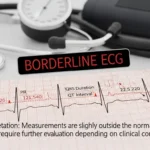
Ever glanced at your ECG report and spotted the word “borderline” and thought, “Wait… what does that even mean?
” Don’t worry—you’re not alone. ECGs can be confusing, full of numbers, waves, and medical jargon that feel like a secret code.
But understanding your heart’s electrical activity doesn’t have to be scary or boring
. Let’s break it down in a fun, simple, and relatable way.
Quick Answer
A borderline ECG basically means your heart’s electrical activity is almost normal but not perfect. It doesn’t automatically mean something is wrong, but it’s a signal to pay attention, maybe track your heart health, and sometimes check in with a doctor. Think of it as a “yellow light” on the road—it’s not red, but it’s a nudge to slow down and observe.
What an ECG Really Shows
ECG, short for electrocardiogram, is a snapshot of your heart’s electrical signals.
- P wave: Signals the atria (upper chambers) contracting.
- QRS complex: Shows the ventricles (lower chambers) pumping blood.
- T wave: Represents the heart resetting for the next beat.
When everything flows smoothly, the ECG looks “normal.” But when doctors use terms like borderline, it usually means some measurements are slightly off.
Why Doctors Say “Borderline”
You might wonder why the report doesn’t say “fine” or “abnormal.” That’s because ECGs are not black-and-white.
Common reasons for a borderline reading include:
- Slight variations in heart rate or rhythm.
- Minor delays in electrical conduction.
- Age, gender, or fitness level differences.
- Temporary factors like stress, caffeine, or dehydration.
So, a borderline result doesn’t mean your heart is in danger—it just suggests closer monitoring.
Everyday Scenarios That Can Affect Your ECG
Your ECG can be influenced by everyday life more than you think. Here are some examples:
- After coffee: Caffeine can speed up your heart rate, sometimes creating slight irregularities.
- Stress or anxiety: Emotional spikes may show as borderline changes.
- Exercise: A sudden workout can temporarily shift your heart rhythm.
- Sleep deprivation: Poor rest can affect heart electrical signals.
Remember, these situations don’t mean your heart is sick—they just add little quirks to your ECG.
Symptoms vs. ECG Readings
Sometimes people panic when they see borderline on a report, especially if they’re feeling fine. Here’s what to know:
- No symptoms: Many borderline readings happen in perfectly healthy people.
- With symptoms: If you feel chest pain, dizziness, or palpitations, don’t ignore it. That’s a reason to consult a healthcare professional.
Pro tip: ECGs are just one tool. Your overall health, lifestyle, and symptoms matter just as much.
Interpreting a Borderline Result
Let’s get practical. If your doctor says your ECG is borderline, here’s what could happen next:
- Monitoring: Sometimes a repeat ECG after a few months is enough.
- Lifestyle tweaks: Cutting back on caffeine, improving sleep, or managing stress.
- Further testing: If needed, your doctor may recommend an echocardiogram, Holter monitor, or stress test.
The main takeaway: borderline isn’t a diagnosis. It’s a sign to watch, learn, and maybe adjust your habits.
Common Misconceptions
A lot of people freak out when they see borderline on an ECG. Let’s clear some myths:
- Myth: Borderline = heart disease.
Truth: Not always. Many healthy people get borderline results. - Myth: It’s urgent.
Truth: Usually, it’s a caution, not an emergency. - Myth: Only older people get this.
Truth: Anyone, including teens and young adults, can have borderline ECG findings.
Lifestyle Tips to Keep Your Heart Happy
Even if your ECG is borderline, small lifestyle changes can support heart health:
- Eat heart-friendly foods like fruits, veggies, and whole grains.
- Stay active—just 30 mins a day helps.
- Manage stress with mindfulness, meditation, or hobbies.
- Sleep well: aim for 7–9 hours per night.
- Avoid smoking and limit alcohol.
These habits not only improve your ECG results but also boost overall wellness.
When to Check Back With a Doctor
You don’t have to panic over a borderline ECG, but certain signs mean it’s time to get medical advice:
- Chest discomfort or pressure.
- Shortness of breath or fatigue that’s unusual.
- Irregular heartbeat or palpitations.
- Fainting or feeling lightheaded.
Even if you feel fine, a borderline reading is a good reason for regular check-ups—especially if you have other risk factors like family history, high blood pressure, or diabetes.
Examples of Borderline Findings
Here are some scenarios that might show up as borderline:
- Slightly high heart rate: Your heart beats faster than normal during the ECG.
- Minor conduction delay: Electrical signals take a fraction longer to travel through your heart.
- Borderline voltage changes: Your heart muscle signals are at the low end of normal.
These are usually manageable and often temporary, especially if your lifestyle and heart health are on point.
Key Takeaways
- A borderline ECG is not a heart attack or severe issue.
- It’s a signal to observe and sometimes make lifestyle adjustments.
- Everyday factors like stress, caffeine, and exercise can impact readings.
- Symptoms matter more than numbers—pay attention to your body.
- Regular check-ups and healthy habits are your best allies.
Think of it like your phone giving you a “battery low” warning. It doesn’t mean the device is broken—it’s just a heads-up to recharge and take care. Your heart works the same way.
Conclusion
Understanding your heart shouldn’t be a mystery.
A borderline ECG reading is just a small nudge to stay mindful of your cardiovascular health.
Most importantly, don’t let it freak you out. With proper habits, awareness, and regular monitoring, your heart can stay strong, steady, and happy.
Knowledge is power. Knowing what your ECG is telling you allows you to take action, not panic.
Keep an eye on your health, make simple lifestyle choices, and trust your body—borderline isn’t the end of the story; it’s just a chapter.