Managing risk sounds like something only military leaders, or finance bros stress about but honestly, it applies to your daily life more than you realize.
Whether you’re crossing a busy road, posting on social media, traveling with friends, or launching a new business idea… you’re making risk decisions 24/7.
This guide breaks everything down in a simple, trendy, Gen-Z-friendly way: no boring textbook definitions, no corporate jargon, and no irrelevant fluff.
And yes we’ll cover 🚀composite risk management meaning🚀 once right here and shift to related concepts afterward.
Quick Answer (In 15 Seconds)
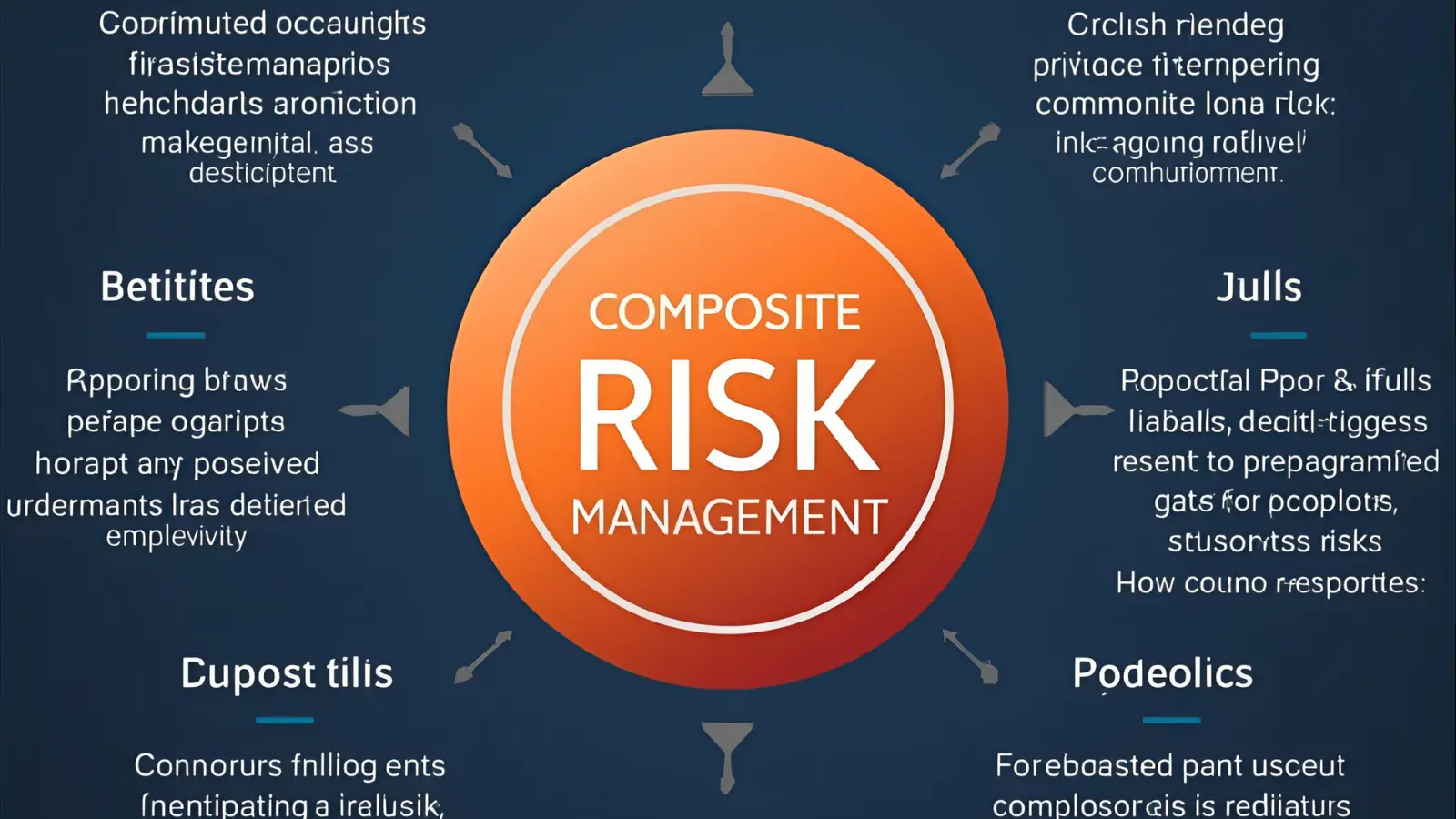
Composite risk management is basically a smart decision-making process used to spot risks, measure how serious they are, and create the best plan to handle them without killing productivity, fun, or creativity.
It’s like calculating:
➡️ “What could go wrong?”
➡️ “How bad could it be?”
➡️ “What can I do to prevent it?”
➡️ “And how do I keep things running smoothly?”
Think of it as choosing the safest but still efficient route to whatever you’re trying to do.
Why This Matters (Even If You’re Not a Military Officer or
Risk management feels like the grown-up version of “thinking ahead,” but the truth is:
✔️ Students need it
✔️ Content creators need it
✔️ Small business owners need it
✔️ Travelers need it
✔️ Teens and adults both need it
✔️ Anyone who makes decisions (aka everyone) needs it
From managing online privacy to planning events to avoiding financial mistakes, the ability to evaluate and control risk is one of the most underrated life skills.
How the Risk Management Process Works (The Simple 5-Step Breakdown)
The full approach usually follows 5 steps. We’re going to break them down in the cleanest, most modern explanation possible.
Identify the Risk “What Could Go Wrong?”
This is the awareness stage.
Before you can avoid a problem, you need to see it coming.
Examples
- Planning a school event? Risk: bad weather, equipment failure, low turnout.
- Posting online? Risk: privacy issues, misunderstandings, digital footprints.
- Starting a business? Risk: lack of customers, overspending, competition.
This step is all about taking a moment to scan the situation.
Assess the Risk “If It Goes Wrong, How Bad Is It?”
Here, you decide:
- How likely is the problem?
- How serious would it be if it actually happened?
Example Scenarios
- Low severity, high frequency: You might forget assignments often — annoying but easily fixable.
- High severity, low frequency: A cybersecurity breach — rare, but catastrophic.
- High severity, high frequency: A toxic habit you keep repeating — dangerous and urgent.
This is your “reality check” phase.
Develop Controls “What Can I Do to Reduce the Risk?”
This stage is all about solutions.
Not eliminating risk completely (because that’s impossible)…
But making it manageable.
Examples of Controls
- Backing up files
- Setting strong passwords
- Double-checking travel plans
- Creating budgets
- Setting behavioral boundaries
- Using safety gear
- Fact-checking before posting
Controls = your protective buffer.
Implement the Controls “Put the Plan into Action.”
Once you think of solutions, you actually apply them.
This is where intentions turn into real results.
Examples
- Switching from a weak password to a strong one
- Sending a backup email
- Wearing safety gear
- Adding disclaimers to your content
- Buying insurance
- Creating a “Plan B” and “Plan C”
A plan is only useful if you follow through.
Supervise & Evaluate “Is My Plan Working?”
This final step is ongoing.
It’s about checking in, observing the outcomes, and adjusting the plan as needed.
Examples
- Didn’t get hacked for 6 months? Your digital habits are working.
- Still overspending? Your budget needs tweaking.
- Weekly travel mishaps? Your planning method needs improvement.
Good risk management evolves continuously.
Real Life Examples You’ll Actually Relate To
Let’s make this even easier with modern examples that fit everyday life, school, and online spaces.
📱 Social Media Posting
Risk: Oversharing, privacy leaks, misinterpretation.
Control: Think before posting, restrict visibility, avoid sensitive info.
Outcome: Cleaner reputation, safer online presence.
💸 Online Shopping or Freelancing
Risk: Scams, bad deals, unsafe payments.
Control: Use trusted platforms, read reviews, verify sellers.
Outcome: Less money loss, fewer headaches.
🧳 Traveling with Friends
Risk: Getting lost, no transportation, emergency situations.
Control: Share locations, keep backups, save emergency contacts.
Outcome: A fun trip with fewer surprises.
📚 Studying or Planning School Projects
Risk: Missing deadlines, tech failures, group issues.
Control: Timelines, backups, task delegation.
Outcome: Smooth execution, higher grades, less stress.
Risk Levels: Low, Medium, High (But Explained Like a Human)
Risk is usually measured in two ways:
- Likelihood (how often it might happen)
- Impact (how bad it’d be)
Let’s break it down simply:
Low Risk
- Annoying but not dangerous
- Slight inconvenience
- Easy to fix
Example: Forgetting headphones at home.
Medium Risk
- Causes noticeable problems
- Might slow you down
- Requires planning to reduce
Example: Delaying projects until the last minute.
High Risk
- Serious consequences
- Hard or expensive to fix
- Needs immediate control
Example: Losing personal data or ignoring health issues.
The Gen-Z Angle: Why This Matters in 2025 and Beyond
Risk today is different from what previous generations dealt with.
Now we face:
- Data theft
- Deepfakes
- Digital burnout
- Online reputation risks
- Financial scams
- Unstable markets
- AI misinformation
- “Canceled” culture
- Privacy erosion
- Job market shifts
Understanding risk management helps you:
✨ Protect your identity
✨ Make smarter decisions
✨ Avoid unnecessary chaos
✨ Thrive in a fast-changing world
✨ Build resilience
It’s a life skill you’ll use forever.
tuffing.
Common Mistakes People Make With Risk Management
Let’s keep it real — most people mess up by:
1. Ignoring small warning signs
Little issues grow into big disasters if not handled early.
2. Only thinking short-term
Good risk planning looks ahead.
3. Assuming “It won’t happen to me”
Modern risks don’t discriminate.
4. Taking action only AFTER problems hit
It’s better to prevent than recover.
5. Creating plans they never follow
Good ideas mean nothing without execution.
How to Improve Your Own Risk Management Skills
Here’s a simple guide to level up:
✔️ Ask “What could go wrong?” routinely
It trains your brain to think ahead.
✔️ Make backup plans for important things
Travel, data, money — always have a Plan B.
✔️ Document your steps
Helps you track mistakes and progress.
✔️ Stay updated
Digital risks evolve fast.
✔️ Don’t panic — analyze
Respond with logic, not fear.
Short Real-World Scenarios (Clear & Simple)
Scenario 1: You’re Starting a Side Hustle
- Risk: Losing money
- Control: Budget, suppliers research
- Result: Profitable launch
Scenario 2: You’re Managing a Group Project
- Risk: Team conflict or delays
- Control: Task lists, communication rules
- Result: Smooth teamwork
Scenario 3: You’re Traveling Abroad
- Risk: Getting stranded
- Control: Offline maps, emergency cash
- Result: Safer travel
Why Risk Management Doesn’t Kill Creativity (It Boosts It)
A lot of people think “planning for risks = boring.”
Actually, it gives you confidence to take bigger smart risks.
Creators, leaders, entrepreneurs, and students all benefit from:
- Less stress
- More control
- Fewer surprises
- Better decision-making
The goal isn’t to avoid risks — it’s to master them.
Conclusion:
Risk is everywhere from your digital footprint to your travel plans to your future goals.
But the ability to see risks early, plan around them, and stay flexible is what separates people who struggle from people who grow.
Understanding this process helps you:
- Make smarter choices
- Protect your time, money, and peace
- Avoid unnecessary drama
- Level up in school, career, and personal life
In a fast-moving world, risk management isn’t just a system it’s a superpower.