Legal terms can sound confusing, intimidating, or just plain outdated.
But some phrases show up everywhere in news headlines, court cases, police reports, and even viral TikToks.
One of those phrases is 🚀domestic battery meaning🚀, and if you’ve ever wondered what it actually means in real life, you’re in the right place.
This guide breaks it all down in a simple, Gen-Z–friendly way. No legal jargon overload.
No scare tactics. Just clear explanations, examples, and context so you truly understand what people are talking about.
Quick Answer
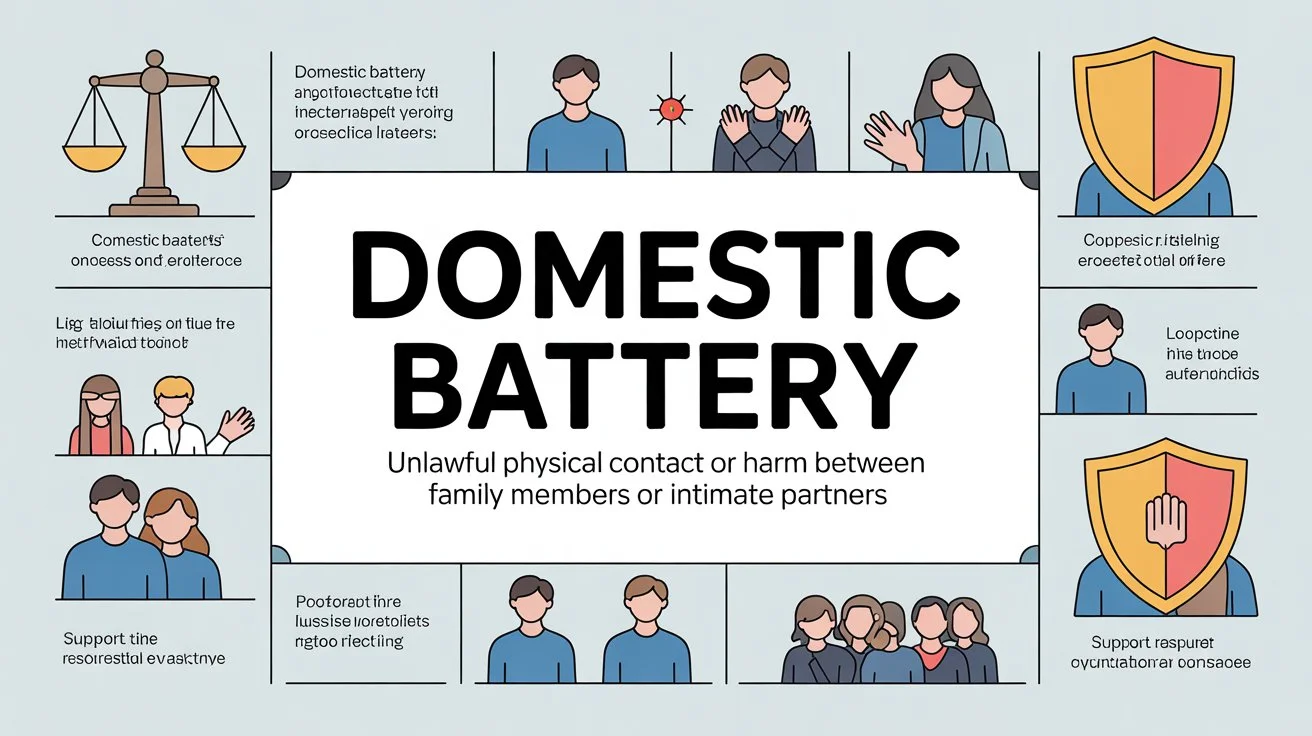
Domestic battery is a legal term used when physical harm or unwanted physical contact happens between people who have a close or domestic relationship, such as partners, spouses, family members, or people living together.
It’s treated more seriously than regular battery because it involves people connected by trust or shared living situations.
What Is Domestic Battery in Simple Words?
At its core, domestic battery refers to intentional physical contact that causes harm or offense between people who are personally connected.
That connection matters.
This isn’t about strangers fighting in public. It’s about incidents that happen inside close relationships — where emotions, power dynamics, and shared spaces are involved.
Key ideas behind the term:
- Physical contact (not just words)
- Intentional action
- A domestic or family-type relationship
- Legal consequences under criminal law
Why the “Domestic” Part Changes Everything
The word domestic is what separates this from other assault or battery charges.
Courts use it when the people involved have:
- A romantic relationship (current or past)
- A marriage or former marriage
- A shared child
- A family connection
- A shared household (roommates, partners, relatives)
Because these relationships involve trust and closeness, the law often treats offenses in this context more seriously.
Common Relationships Covered Under Domestic Battery Laws
Different regions define relationships slightly differently, but most include:
- Spouses or ex-spouses
- Boyfriends, girlfriends, or dating partners
- People who live or used to live together
- Parents and children
- Siblings
- Co-parents (even if not together)
If two people have an ongoing or past personal connection, the law may consider it domestic.
What Actions Can Lead to a Domestic Battery Charge?
This doesn’t mean extreme violence only. Many people are surprised by what qualifies.
Examples may include:
- Hitting or slapping
- Pushing or shoving
- Grabbing someone aggressively
- Throwing an object that makes contact
- Any unwanted physical touch meant to intimidate or harm
Important note: Injury doesn’t always have to be severe. Even minor physical contact can qualify if it’s intentional and unwanted.
Real-Life Scenarios (Easy to Understand)
Scenario 1:
A couple argues, and one partner shoves the other during the fight.
➡ This can be considered domestic battery.
Scenario 2:
An adult child angrily grabs a parent’s arm during an argument.
➡ This may fall under domestic battery laws.
Scenario 3:
Former partners meet, and one slaps the other in anger.
➡ Even if they don’t live together anymore, it can still qualify.
The relationship history matters just as much as the action itself.
Domestic Battery vs. Assault vs. Battery
These terms often get mixed up, so let’s clear that up.
Battery
- Involves physical contact
- Intentional and unwanted
Assault
- Can involve threats or attempts
- Physical contact may not happen
Domestic Battery
- Battery plus a domestic relationship
- Often leads to stronger legal penalties
Think of domestic battery as a category, not a totally separate act.
Is Domestic Battery Always a Felony?
Not always.
It can be charged as:
- A misdemeanor (less severe cases)
- A felony (repeat offenses, serious harm, or specific circumstances)
Factors that affect the charge level include:
- Prior convictions
- Severity of harm
- Presence of children
- Use of objects or weapons
- Protective orders already in place
Legal Consequences People Often Face
Consequences vary, but may include:
- Arrest
- Court appearances
- Fines
- Probation
- Mandatory counseling or anger management
- Restraining or protection orders
- Possible jail time
Beyond legal penalties, there are also life consequences like:
- Damaged reputation
- Employment issues
- Housing problems
- Loss of custody or visitation rights
Why This Term Shows Up So Often in News & Media
Domestic-related cases get attention because:
- They involve personal relationships
- They raise concerns about safety at home
- They connect to broader conversations about family, power, and accountability
Media outlets use the term because it has specific legal weight, not because it’s trendy language.
Can Verbal Arguments Count as Domestic Battery?
Short answer: No — not by themselves.
Verbal arguments, yelling, or insults alone usually fall under:
- Emotional abuse
- Harassment
- Disorderly conduct
Domestic battery specifically involves physical contact.
However, verbal threats combined with actions may lead to other charges.
Why Understanding This Term Actually Matters
Knowing what domestic battery means helps you:
- Understand news headlines correctly
- Avoid spreading misinformation
- Recognize when situations are legally serious
- Protect yourself and others
- Communicate clearly if legal help is needed
It’s not about memorizing laws. It’s about awareness.
Myths vs. Facts
Myth: It only applies to married couples
Fact: Dating partners, roommates, and family members can be included
Myth: Someone must be badly injured
Fact: Even minor physical contact can qualify
Myth: It’s the same as a normal fight
Fact: The relationship makes it legally different
The Emotional Side People Don’t Talk About
Cases involving close relationships often come with:
- Stress
- Shame
- Fear
- Confusion
- Social pressure
That’s why laws treat these cases differently — because the impact goes beyond one moment.
Final Thoughts: Why Clarity Is Power
Legal terms can feel overwhelming, but understanding them puts you in control. Domestic battery isn’t just a phrase thrown around online — it’s a serious legal concept tied to relationships, responsibility, and consequences.
When you know what it means, you can:
- Read smarter
- Speak accurately
- Avoid misunderstandings
- Make informed decisions
And that kind of clarity? Always powerful.