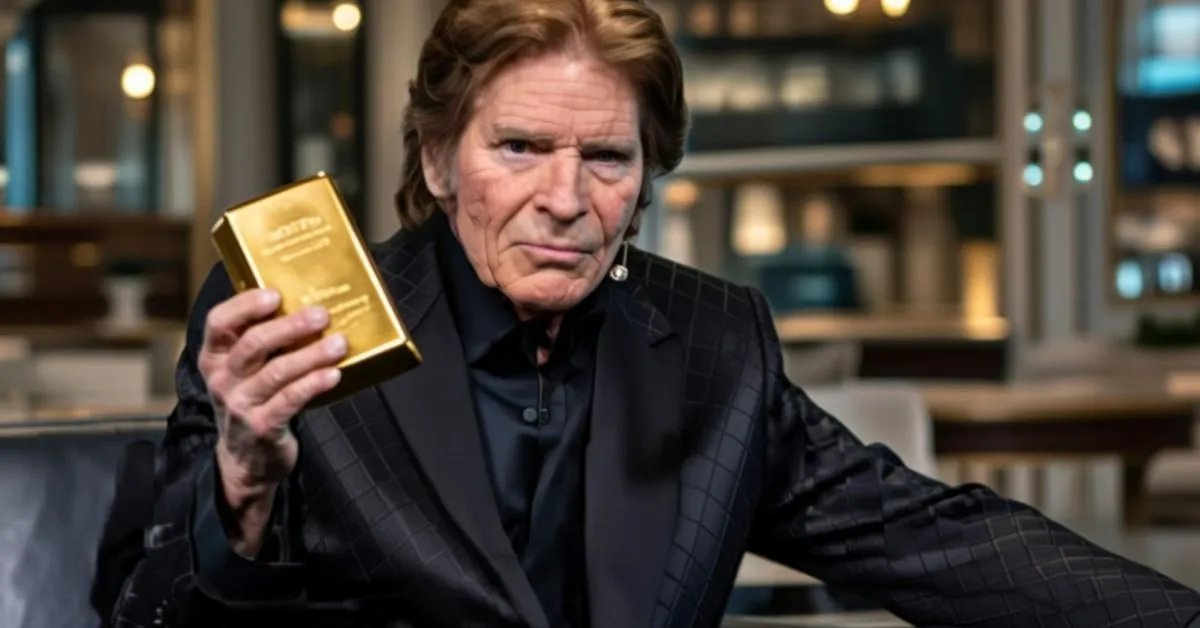
John Fogerty is widely regarded as one of the most influential figures in American rock music, best known as the lead singer, songwriter, and creative force behind Creedence Clearwater Revival (CCR). With a career spanning more than five decades, Fogerty has written some of the most recognizable songs in rock history, including Proud Mary, Fortunate Son, and Bad Moon Rising.
These timeless hits continue to dominate classic rock playlists, film soundtracks, and live performances around the world.
Given his long-lasting success and cultural impact, it is no surprise that many fans and industry observers are curious about John Fogerty’s net worth. His financial journey, however, has not been straightforward.
It includes extraordinary commercial success, years of legal disputes over music rights, and a powerful comeback after regaining control of his catalog.
This article takes an in-depth look at John Fogerty’s net worth in 2025, exploring how he built his wealth, the challenges he faced, and the income streams that continue to sustain his fortune today.
John Fogerty Net Worth in 2025
As of 2025, John Fogerty’s net worth is estimated to be between $100 million and $110 million, placing him among the wealthiest classic rock musicians of his generation. This impressive figure reflects not only his early success with Creedence Clearwater Revival (CCR) but also decades of sustained income from songwriting, royalties, touring, and catalog ownership. Unlike many artists whose earnings peak early, Fogerty’s wealth has continued to grow due to the enduring popularity of his music.
One of the most important factors behind his current net worth is his status as the primary songwriter for CCR. Songs such as Fortunate Son, Proud Mary, and Bad Moon Rising are still heavily streamed, licensed, and performed worldwide. These tracks generate consistent royalty income across radio, streaming platforms, films, television shows, and commercials. Over time, this recurring revenue has significantly strengthened his financial position.
Fogerty’s net worth also reflects a major turning point in his career: the resolution of long-standing legal disputes over his music rights. After years of losing potential income due to unfavorable contracts, regaining control of his catalog allowed him to fully benefit from his intellectual property. Combined with successful solo tours, festival appearances, and strategic asset management, his fortune in 2025 represents both artistic achievement and financial resilience.
Net Worth Snapshot
John Fogerty’s estimated net worth in 2025 stands at approximately $110 million, earned primarily through music-related income. His wealth is driven by songwriting royalties, publishing rights, and revenue from live performances. Additional value comes from real estate holdings and long-term investments. Unlike short-term celebrity earnings, Fogerty’s financial strength lies in the durability of his music catalog, which continues to generate income decades after its original release, ensuring long-term financial stability.
Early Life and Career Beginnings
John Cameron Fogerty was born on May 28, 1945, in Berkeley, California. From a young age, he showed a deep interest in music, learning guitar and piano, and developing a passion for rock, blues, and country. His early exposure to these genres shaped his distinctive musical style, which would later define the sound of Creedence Clearwater Revival (CCR). Growing up, Fogerty experienced a modest upbringing, which instilled a strong work ethic that would become crucial in his professional life.
In the early 1960s, Fogerty began performing with his older brother Tom and other local musicians, eventually forming the band The Blue Velvets. They played in local venues and schools, gradually building performance experience and a small following. During this period, Fogerty began experimenting with songwriting, learning to blend rock, blues, and country influences into catchy, narrative-driven tracks. These early compositions laid the foundation for his later success.
By the mid-1960s, the group evolved into Creedence Clearwater Revival, with John as the lead singer, guitarist, and primary songwriter. CCR’s unique sound combined swamp rock rhythms, catchy hooks, and socially conscious lyrics, capturing the attention of both fans and record labels. The band’s breakthrough success in 1968 marked the beginning of Fogerty’s rise to prominence and set the stage for his eventual financial prosperity.
Early Career Highlights
Before CCR’s fame, Fogerty’s career was shaped by live performances and small-scale recordings with The Blue Velvets. These experiences allowed him to refine his musical style, understand audience dynamics, and develop songwriting skills that would later become invaluable in building both his legacy and wealth.
Creedence Clearwater Revival and Financial Breakthrough
Creedence Clearwater Revival (CCR) emerged in the late 1960s as one of the most influential American rock bands, and it was this period that laid the foundation for John Fogerty’s financial breakthrough. As the band’s lead singer, guitarist, and principal songwriter, Fogerty was responsible for most of CCR’s iconic hits, including Proud Mary, Bad Moon Rising, and Fortunate Son. These songs not only achieved commercial success but also became cultural anthems, cementing the band’s status in rock history.
CCR’s albums sold millions of copies worldwide, generating substantial revenue for both the band members and the record label.
Tracks like Born on the Bayou and Green River showcased Fogerty’s ability to combine catchy melodies with meaningful lyrics, increasing the band’s marketability.
Touring also became a significant income source, as CCR performed extensively across the United States and internationally, attracting large audiences and high ticket sales.
Beyond immediate earnings, CCR’s music provided Fogerty with long-term financial security through royalties and publishing rights. Each time a CCR song is played on radio, streamed online, or licensed for a movie, television show, or commercial, Fogerty benefits financially. Even decades after the band’s peak, these income streams continue to contribute substantially to his net worth.
CCR Album Sales and Revenue Impact
CCR’s albums collectively sold over 30 million copies in the U.S. alone, with worldwide sales surpassing 50 million. This commercial success provided the initial capital that allowed John Fogerty to negotiate better contracts, reinvest in his solo career, and eventually regain control of his catalog, solidifying his long-term financial stability.
Legal Battles and Loss of Music Rights
While Creedence Clearwater Revival brought John Fogerty fame and wealth, his financial journey was complicated by lengthy legal battles over music rights. In the early 1970s, after CCR disbanded, Fogerty became entangled in disputes with Fantasy Records, the band’s label. He claimed the label owed him royalties and that he had limited control over the songs he wrote. The situation became even more complicated when Fogerty’s solo work was alleged to resemble CCR’s hits, leading to lawsuits that drained time, energy, and money.
These legal conflicts had a significant impact on Fogerty’s finances. For years, he received less than he was entitled to from his own catalog, limiting his ability to fully capitalize on the songs that had made CCR famous.
Moreover, the disputes created tension in his career, making record deals and collaborations more difficult to navigate. Despite the financial and emotional stress, Fogerty remained committed to regaining control of his intellectual property, understanding that owning his catalog was essential for long-term wealth and artistic freedom.
Eventually, Fogerty’s perseverance paid off, but the process took years. The battles highlighted the challenges musicians often face in retaining rights to their own creations, especially during a time when record labels held significant control over artists’ work.
Financial Impact of Legal Disputes
The loss of music rights temporarily reduced Fogerty’s income from royalties and licensing. At one point, he received only a fraction of what his CCR songs were generating, delaying the growth of his net worth and forcing him to rely more heavily on touring and new solo releases to maintain his financial stability.
Regaining Music Rights and Financial Recovery
After years of legal battles and financial frustration, John Fogerty eventually regained control of his music catalog, a move that proved pivotal for his long-term net worth. Reclaiming the rights to his CCR compositions and solo work allowed him to fully benefit from the royalties, licensing, and streaming revenue generated by decades of timeless hits. This milestone not only restored his financial independence but also reinforced his position as a respected and self-sufficient artist in the music industry.
With control of his catalog, Fogerty began capitalizing on opportunities that had previously been restricted. His songs were licensed for movies, television shows, commercials, and even video games, creating substantial recurring income. Additionally, streaming platforms such as Spotify, Apple Music, and YouTube now provide continuous revenue from a global audience, something he could not fully benefit from during the years his rights were limited.
The regained catalog also enhanced the profitability of live performances. Fans continue to attend concerts to hear CCR classics and Fogerty’s solo hits, generating ticket sales and merchandise revenue that supplement his royalties. This combination of catalog income and performance earnings has significantly contributed to the growth of his net worth in recent years.
Impact on Net Worth
By reclaiming his music rights, Fogerty transformed what had been a source of financial frustration into a steady stream of income. Today, royalties, licensing, and live performances from his regained catalog are key contributors to his $100–110 million net worth, demonstrating the lasting value of intellectual property in the music industry.
Solo Career Success and Earnings
After Creedence Clearwater Revival disbanded in 1972, John Fogerty embarked on a solo career that further solidified his musical legacy and financial standing. His solo work allowed him to explore new creative directions while continuing to capitalize on his established fan base. One of his most successful solo albums, Centerfield (1985), became a commercial hit, with tracks like The Old Man Down the Road and Centerfield achieving widespread popularity. The album not only revived Fogerty’s career but also opened new revenue streams through album sales, radio play, and music licensing.
Touring as a solo artist became another critical source of income. Fogerty performed in major arenas, music festivals, and international tours, attracting fans eager to hear both his CCR classics and solo hits. Live performances contributed significantly to his net worth, as ticket sales, merchandise, and VIP experiences provided additional revenue beyond recorded music.
In addition to album sales and touring, Fogerty’s solo songs generated royalty income comparable to his CCR catalog. His ability to maintain creative control over his work meant that he could fully benefit from publishing rights, streaming platforms, and licensing opportunities. Over time, these combined income streams became a major factor in the growth of his net worth, demonstrating the importance of both artistic autonomy and long-term catalog management.
Best-Selling Solo Albums
Centerfield remains Fogerty’s most successful solo album, selling millions of copies worldwide. Other solo releases, including Eye of the Zombie and Blue Moon Swamp, added to his earnings, both from initial sales and ongoing royalties. The combination of strong album sales, touring income, and catalog control has ensured that Fogerty’s solo career continues to significantly contribute to his overall wealth.
Music Royalties and Publishing Income
A major pillar of John Fogerty’s net worth comes from music royalties and publishing rights. As the principal songwriter for both Creedence Clearwater Revival (CCR) and his solo projects, Fogerty earns money every time his songs are played, sold, or licensed. These royalties are collected from multiple sources, including radio airplay, streaming platforms like Spotify and Apple Music, album sales, and synchronization licenses for movies, TV shows, and commercials. Over decades, this has become a highly reliable and lucrative income stream, providing consistent revenue long after the original recordings were released.
Fogerty’s catalog is considered one of the most valuable in classic rock. Songs like Fortunate Son and Proud Mary remain culturally relevant, appearing in films, advertisements, and television programs. Each usage generates licensing fees that are paid directly to Fogerty as the rights holder. Additionally, royalties from digital streaming have become increasingly important, as younger audiences discover his music online, ensuring that the income from his catalog continues to grow even today.
Owning publishing rights also gives Fogerty flexibility and financial independence. He can control how his music is used, negotiate licensing deals directly, and maximize his earnings without reliance on intermediaries. This level of control has been crucial in rebuilding and sustaining his net worth after the challenges he faced during earlier legal disputes.
Annual Royalty Earnings Estimate
Industry analysts estimate that Fogerty earns millions of dollars annually from royalties and publishing alone. These earnings, combined with touring and other income streams, form a cornerstone of his estimated $100–110 million net worth, highlighting the enduring value of intellectual property in the music industry.
Touring, Live Performances, and Festival Appearances
In addition to royalties and publishing income, live performances have been a crucial component of John Fogerty’s wealth. Even decades after the peak of his career, Fogerty continues to tour internationally, performing both Creedence Clearwater Revival classics and his solo hits.
These tours attract large audiences who are eager to experience his music live, making concerts a significant revenue stream. Ticket sales, VIP packages, and merchandise at these events collectively contribute millions of dollars annually to his net worth.
Fogerty’s reputation as a legendary performer ensures that his shows consistently sell out major venues and festival appearances. Beyond traditional concerts, he has participated in music festivals, charity events, and special tribute shows, each offering additional earning opportunities. His ability to maintain high demand for live performances demonstrates both the enduring appeal of his music and the financial advantage of a strong legacy catalog.
Live shows also enhance his catalog earnings. When songs are performed publicly, they generate performance royalties, which are collected by performance rights organizations and paid directly to Fogerty.
This creates a compounding effect, as his music continues to generate income through multiple channels simultaneouslystreaming, licensing, and live performance royalties.
Earnings from Touring
John Fogerty’s touring income is estimated in the millions annually, with major tours contributing substantially to his overall wealth. Combined with royalties and publishing rights, revenue from live performances plays a pivotal role in sustaining his $100–110 million net worth, proving that classic rock legends can remain financially active and profitable well into the later stages of their careers.
Business Ventures and Investments
Beyond his music career, John Fogerty has diversified his income through business ventures and investments, contributing to his overall net worth. While most of his wealth comes from royalties, catalog ownership, and touring, Fogerty has made strategic financial decisions to ensure long-term stability. These ventures are not widely publicized, but industry reports suggest he has invested in real estate and other assets, which have helped preserve and grow his wealth over the decades.
Investing outside the music industry is a common practice for legacy artists like Fogerty, who understand that long-term financial security requires diversification. Real estate, in particular, offers both a stable income stream and appreciation over time, balancing the volatility of entertainment revenue. Additionally, Fogerty’s financial prudence has allowed him to maintain a comfortable lifestyle while reinvesting portions of his earnings into assets that generate passive income.
Fogerty’s control over his music rights can also be considered a form of business investment. By owning and managing his catalog, he maximizes licensing opportunities and ensures that revenue from his creative work flows directly to him. This level of entrepreneurial management has significantly contributed to his estimated net worth of over $100 million.
Other Ventures and Investments
Although not extensively publicized, John Fogerty has likely engaged in real estate investments and other financial ventures that supplement his music income. Combined with royalties, touring, and catalog ownership, these investments enhance his financial stability, demonstrating that his wealth is the result of both artistic talent and smart financial management.
Real Estate Holdings and Assets
Another important component of John Fogerty’s net worth is his real estate portfolio. Over the years, Fogerty has invested in high-value properties, primarily in California, which not only provide personal comfort but also serve as long-term financial assets. These properties have appreciated over time, adding substantial value to his overall wealth. Real estate is a common investment choice for musicians and celebrities seeking stability, as it offers both privacy and financial security beyond the volatility of the entertainment industry.
Fogerty’s real estate holdings likely include primary residences, vacation homes, and possibly income-generating properties. While specific details about all his properties are not publicly disclosed, it is known that his lifestyle reflects a balance of luxury and practicality, suggesting thoughtful investment in real estate assets. These holdings complement his primary income from music royalties, touring, and publishing, ensuring a diversified portfolio that supports long-term wealth accumulation.
Investments in real estate also allow Fogerty to benefit from property appreciation and potential rental income. This type of passive income is particularly valuable for legacy artists, as it provides ongoing revenue without the direct demands of performing or recording. By combining real estate with music royalties and other business ventures, Fogerty has built a robust and resilient financial foundation that underpins his estimated net worth of $100–110 million.
Contribution to Net Worth
Fogerty’s real estate and asset investments supplement his income from music and touring, providing stability and long-term value. These assets, combined with royalties and smart business decisions, play a key role in maintaining and growing his overall financial standing, highlighting the importance of diversification for high-net-worth individuals.
Lifestyle, Spending, and Philanthropy
John Fogerty’s lifestyle reflects a balance between comfort, practicality, and strategic financial management, which has helped him maintain and grow his net worth over the decades. Unlike many celebrities who overspend or make risky financial decisions, Fogerty appears to prioritize investments in assets like real estate, music rights, and other ventures over lavish, short-term expenditures. His careful approach has allowed him to enjoy the rewards of fame while securing long-term financial stability.
Fogerty’s lifestyle is also shaped by his enduring career in music. Touring and live performances require a disciplined schedule, yet they provide high income and reinforce his professional relevance. His personal life is relatively private, and he tends to avoid extravagant public displays of wealth. This modest approach has allowed him to focus resources on income-generating ventures rather than purely consumptive spending.
Philanthropy is another aspect of Fogerty’s life, reflecting his commitment to giving back to the community and supporting causes he believes in. While not extensively publicized, he has participated in charity concerts and benefit performances, contributing both his time and talent. These philanthropic activities not only make a social impact but also enhance his public image, indirectly supporting his ongoing career and earning potential.
Financial Impact of Lifestyle Choices
By maintaining a disciplined lifestyle and making strategic investments, Fogerty has minimized unnecessary expenses while maximizing long-term wealth. Combined with income from royalties, touring, and investments, his careful approach to spending and philanthropy reinforces his $100–110 million net worth, demonstrating that financial prudence is as important as creative talent in sustaining wealth.
Comparison With Other Rock Legends
John Fogerty’s net worth of $100–110 million places him among the wealthiest classic rock artists, but how does he compare to his peers? Musicians like Bob Dylan, Bruce Springsteen, and Mick Jagger have amassed fortunes ranging from $200 million to over $500 million, reflecting differences in career longevity, catalog size, and business strategy. While Fogerty may not reach the same financial heights, his wealth is significant, particularly considering the legal and financial challenges he faced throughout his career.
A key distinction between Fogerty and other rock legends is catalog ownership. Many artists from his era struggled to regain rights to their music, limiting long-term earning potential. Fogerty’s persistence in reclaiming his CCR catalog allowed him to maximize royalties, licensing, and streaming revenue, securing a steady and growing income. In comparison, some peers benefited from larger global audiences or more extensive touring but lacked full control of their music rights, affecting the sustainability of their earnings.
Additionally, Fogerty’s focus on live performances and strategic touring has contributed to his financial stability. While some rock legends diversified heavily into brand endorsements or business ventures, Fogerty concentrated primarily on music-related income, proving that careful management of creative assets can yield impressive wealth over time. His ability to maintain relevance with new generations through streaming and live concerts reinforces his position among iconic rock artists.
Financial Comparison Snapshot
Compared to peers like Dylan and Springsteen, John Fogerty’s net worth is slightly lower but robust for a single-band musician who regained control of his catalog. His wealth reflects a balanced combination of royalties, touring, and strategic investments, highlighting the importance of intellectual property in sustaining long-term financial success in the music industry.
Factors That Influence John Fogerty’s Net Worth
John Fogerty’s net worth is the result of multiple interconnected factors that extend beyond album sales and touring. As a legacy artist, his wealth depends heavily on the enduring popularity of his music catalog. Songs like Proud Mary and Fortunate Son continue to generate royalties from radio airplay, streaming, and licensing for films, commercials, and television shows. The consistent demand for these tracks ensures that Fogerty receives a steady flow of income decades after their initial release.
Control over his music rights is another critical factor. Early in his career, legal disputes over publishing limited his earnings. Regaining ownership of his catalog allowed Fogerty to benefit fully from licensing, royalty collection, and streaming platforms. This strategic control of intellectual property is a major contributor to his $100–110 million net worth, demonstrating the long-term value of owning creative assets.
Touring and live performances also influence his financial standing. Even today, Fogerty draws large crowds worldwide, earning revenue from ticket sales, merchandise, and VIP experiences. His careful management of lifestyle and spending habits ensures that most of this income contributes to wealth growth rather than unnecessary expenditures.
Finally, diversified investments, including real estate and other ventures, provide stability and supplemental income. By combining royalties, touring, investments, and catalog control, Fogerty has built a resilient financial foundation that maintains his position among the wealthiest classic rock artists.
Key Influencers on Net Worth
The main factors driving John Fogerty’s wealth are music royalties, catalog ownership, touring income, and strategic investments. These elements work together to ensure long-term financial security, highlighting the importance of intellectual property and careful money management for sustaining celebrity wealth.
FAQs
1 . Is John Fogerty still touring?
Yes. Fogerty continues to perform globally, playing both CCR classics and solo hits, generating millions annually in touring revenue.
2 . How much is John Fogerty worth in 2025?
John Fogerty’s net worth in 2025 is estimated between $100 million and $110 million, primarily from music royalties, publishing rights, touring, and investments.
3 . Does John Fogerty still earn money from CCR songs?
Yes. He continues to earn from Creedence Clearwater Revival songs through royalties, licensing, and streaming, thanks to regaining control of his catalog.
4 . What is John Fogerty’s biggest source of income today?
The largest source is music royalties and publishing rights, followed by touring, live performances, and merchandise.
5 . Did John Fogerty lose money due to legal battles?
Yes. Legal disputes in the 1970s and 1980s temporarily reduced his royalty income and delayed the growth of his net worth.
Conclusion
John Fogerty’s financial journey is a testament to the enduring value of talent, persistence, and smart management of creative assets. From his early days performing with The Blue Velvets to becoming the iconic frontman of Creedence Clearwater Revival, Fogerty built a musical legacy that continues to resonate with audiences worldwide. His songs, including Proud Mary, Fortunate Son, and Bad Moon Rising, remain cultural touchstones, generating substantial royalties, licensing fees, and streaming revenue decades after their release.
While Fogerty faced significant challenges, including lengthy legal battles over music rights and disputes with record labels, his perseverance allowed him to reclaim his catalog and regain full control over his intellectual property.
This strategic move transformed what had once been a source of financial frustration into a long-term income generator. Coupled with successful solo releases, extensive touring, merchandise sales, and careful investments, Fogerty has built a robust and diversified financial portfolio.
His wealth is not only a reflection of commercial success but also of financial discipline and strategic planning. By maintaining a measured lifestyle, investing in real estate and other ventures, and leveraging the ongoing popularity of his music, Fogerty ensures that his net worth remains stable and continues to grow.
In 2025, John Fogerty’s estimated net worth of $100–110 million highlights the power of combining artistic talent with business acumen. His story demonstrates that true financial longevity in the music industry comes from protecting intellectual property, diversifying income streams, and continually connecting with audiences. Fogerty’s legacy is therefore both musical and financial, proving that sustained creativity and smart management can secure lasting wealth.