If you’ve ever browsed perfumes, colognes, or fashion labels, you’ve probably noticed a classy French phrase that keeps popping up on bottles and ads.
It looks elegant. It sounds premium. And it somehow feels extra grown.
But what does it actually mean, and why is it everywhere?
That’s exactly what this guide breaks down—without being boring or overly formal.
We’ll explore the meaning, vibe, real-world usage, and cultural relevance of 🚀pour homme meaning🚀, especially in fragrance, fashion, and branding. Simple words. Real examples. No fluff.
Quick Answer
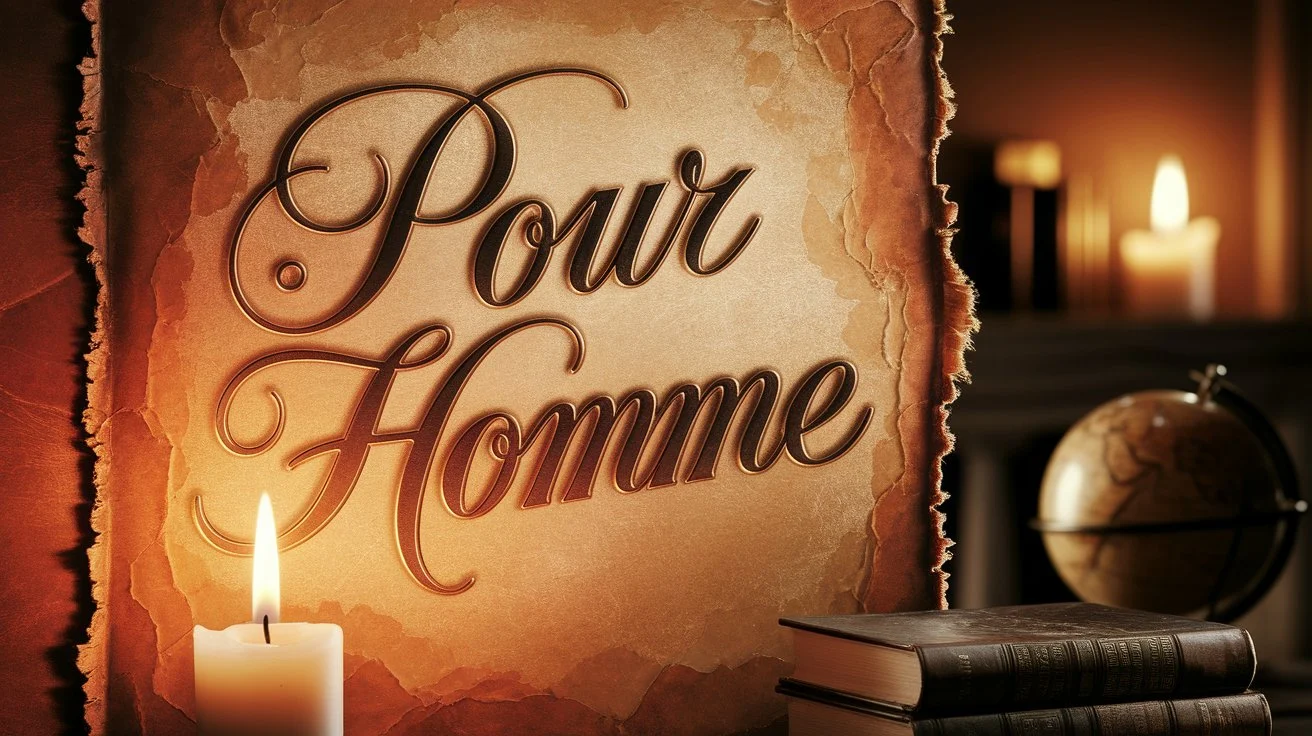
“Pour homme” is a French phrase that literally translates to “for men.”
It’s most commonly used to label products especially perfumes, colognes, and fashion items designed, marketed, or styled for men.
What Does “Pour Homme” Literally Mean?
Let’s decode it word by word:
- Pour = for
- Homme = man
Put together, it simply means “for men.”
French brands often use this phrase instead of plain English because it sounds refined, stylish, and internationally appealing. It adds a luxury feel—even before you smell or wear the product.
Why Is French Used Instead of English?
Great question. And honestly, it’s all about perception.
French has long been associated with:
- Luxury
- Fashion
- High-end fragrances
- Elegance and art
So when a brand uses French wording, it instantly feels more premium. “For men” sounds basic. “Pour homme” sounds like something James Bond would wear.
Same meaning. Totally different vibe.
Common Places You’ll See “Pour Homme”
You’ll mostly spot this phrase in industries where branding and image matter a lot.
1. Men’s Fragrances
This is the most common use.
Examples you may have seen:
- Eau de toilette labeled for men
- Designer colognes
- Luxury scent collections
When a fragrance says “pour homme,” it tells you:
- The scent profile is traditionally masculine
- It’s designed with men in mind
- The branding targets male buyers
2. Fashion and Clothing
Some high-fashion brands use French terms across their entire product line.
You might see:
- Jackets or shirts labeled for men
- Runway collections split into men’s and women’s lines
It’s not about language difficulty—it’s about branding.
3. Grooming and Lifestyle Products
Think:
- Deodorants
- Aftershaves
- Skincare lines
Using French terms helps these products stand out in a crowded market.
Is “Pour Homme” Only About Gender?
Short answer: mostly, yes—but it’s evolving.
Traditionally, it clearly indicated a men’s product. But modern branding is shifting:
- Some fragrances are now unisex
- Gender lines in fashion are becoming softer
- Scent preferences are more about personality than gender
Still, when you see “pour homme,” the brand is usually signaling a masculine identity or target audience.
What Kind of Style or Vibe Does It Represent?
When something is labeled “for men” in French, it usually carries a certain aesthetic.
Common associations include:
- Boldness
- Confidence
- Maturity
- Strength
- Classic masculinity
In fragrances, this might translate to notes like:
- Wood
- Leather
- Musk
- Spice
- Amber
It doesn’t mean every man will love it—but it’s designed around traditional masculine scent profiles.
How Is It Different From “Pour Femme”?
This is the other half of the equation.
- Pour homme = for men
- Pour femme = for women
Brands often release the same fragrance line in both versions. The bottles may look similar, but the scent composition and marketing are different.
Think of it like two playlists:
- Same artist
- Same theme
- Different moods
Is It Used Outside of Luxury Brands?
Yes—but not as often.
Luxury and designer brands use French terms more frequently because:
- Their audience expects it
- It reinforces brand identity
- It signals sophistication
More mainstream or budget brands usually stick to plain English because it’s clearer for mass audiences.
Why Gen Z Still Cares About This Term
You might think a French phrase from the fashion world wouldn’t resonate with Gen Z—but it actually does.
Here’s why:
- Aesthetic culture: Labels, fonts, and wording matter
- TikTok fragrance trends: Names and bottle designs go viral
- Personal branding: Scents are part of identity now
- Global influence: Language mixing is totally normal online
Even if someone doesn’t speak French, they recognize the vibe instantly.
Real-Life Scenarios Where You’ll Hear It
Let’s make it practical.
Scenario 1: Shopping Online
You’re browsing a fragrance store. You see two versions of the same scent:
- One labeled for men
- One labeled for women
The French wording helps you instantly understand who each one is marketed for—without long explanations.
Scenario 2: Social Media Reviews
A creator says:
“This scent is clean, spicy, and very masculine.”
The label already prepared your expectations.
Scenario 3: Gifting
If you’re buying a gift and unsure about scent profiles, that phrase gives you a basic direction.
Does It Guarantee You’ll Like the Product?
Nope. And that’s important.
“Pour homme” tells you who it’s designed for, not whether it will suit your taste.
Scent is personal:
- Some men prefer floral notes
- Some women love woody scents
- Many people ignore gender labels altogether
The phrase is a guide—not a rule.
How Brands Use It Strategically
From a marketing perspective, this wording does a lot of work.
It helps with:
- Positioning: Luxury vs casual
- Targeting: Clear audience focus
- Global appeal: Recognizable worldwide
- Brand storytelling: French heritage, elegance, craft
One short phrase. Big impact.
Related Terms You Might See
You’ll often notice this phrase alongside other French or fragrance-related terms.
Examples include:
- Eau de toilette
- Eau de parfum
- Intense
- Elixir
- Noir
- Sport
Together, they create a full identity for the product.
Is It Still Relevant Today?
Absolutely.
Even as branding evolves and becomes more inclusive, this phrase remains:
- Widely recognized
- Easy to understand
- Strongly associated with premium products
It’s not outdated—it’s iconic.
Final Thoughts
So, what’s the big takeaway?
This phrase may be short, but it carries meaning, history, and branding power.
It tells you who a product is made for, what kind of vibe to expect, and why it feels a little more expensive—even before you try it.
In a world where aesthetics, identity, and first impressions matter more than ever, a simple French label still knows how to make an impact.
Sometimes, two words are all it takes to set the mood.