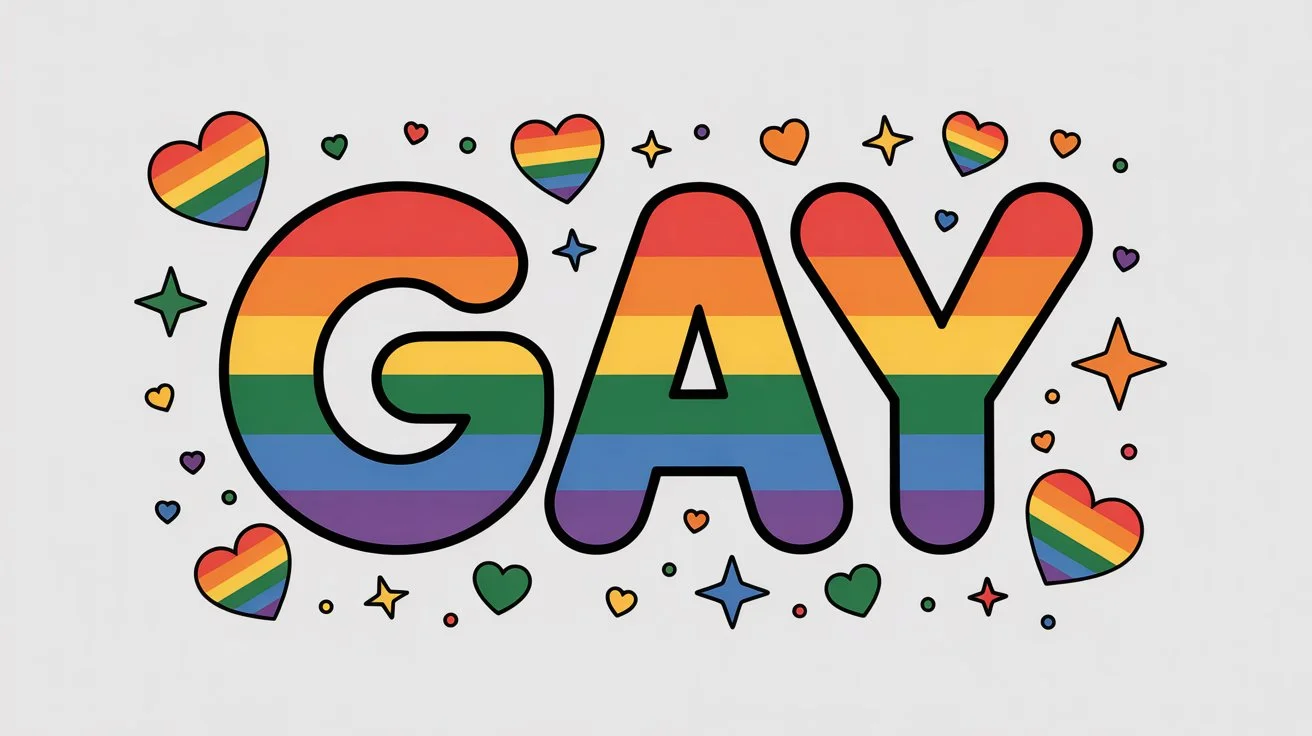
Understanding modern language is a whole vibe—especially when it comes to identity, culture, and the words people use to describe themselves. If you’ve ever seen the word “gay” online, in captions, in conversations, or trending on social media, and wondered what it really means today, you’re in the right place.
This guide breaks everything down in the simplest, smoothest, and most respectful way—because clarity shouldn’t be complicated.
🔥 Quick Answer
“Gay” is most commonly used to describe someone who is romantically or sexually attracted to people of the same gender—especially men who are attracted to men.
It can refer to identity, orientation, community, culture, or even a style of expression. The meaning depends on context, who’s using it, and how it’s being used.
🌈 Understanding the Word “Gay” in Today’s World
Language evolves. Culture evolves. And honestly, meanings evolve too.
The word “gay” carries history, identity, and emotion—and its usage today reflects decades of social change.
At its core, “gay” is about who someone loves or is attracted to, but the term stretches far beyond just orientation. It’s also a cultural identity, a community label, and for many, a part of who they proudly are.
Let’s break it down the way the internet actually uses it.
The Primary Meaning: Same-Gender Attraction
In modern usage, “gay” mainly refers to:
➡️ Men who are attracted to men
This is the most common definition and the one most people think of first.
➡️ A general term for same-gender attraction
Sometimes, it’s used for anyone attracted to the same gender, though many women may prefer “lesbian.”
Simple Examples:
- “He came out as gay last year.”
- “They said their cousin is gay and super happy now.”
- “My friend told me he realized he was gay in college.”
This is the straightforward, most widely accepted meaning.
“Gay” as an Identity and Community Label
For millions of people, the term isn’t just a description—it’s an identity they embrace with pride.
It can represent:
- A personal label
- A connection to LGBTQ+ communities
- A sense of belonging
- A cultural experience
- A shared history of struggle and visibility
People may proudly call themselves gay because it expresses who they are and resonates with their authentic life story.
. Cultural and Lifestyle Contexts
Sometimes you’ll hear “gay culture” or “gay community.”
These phrases refer to shared:
- Experiences
- Humor
- Fashion
- Spaces (like Pride events or community centers)
- Values
- Creative influences
“Gay culture” isn’t universal—everybody experiences it differently. But many connect through art, style, activism, and online spaces that celebrate identity.
How the Word “Gay” Shows Up in Conversations Today
You might see the word used casually, warmly, humorously, or descriptively. Tone is everything.
Neutral Usage
Used in simple descriptive statements.
- “He’s gay.”
- “She has a lot of gay friends.”
Playful Usage (within community spaces)
Friends joking with each other in a positive way.
- “That outfit is so gay—in the best way!”
- “Your playlist is giving gay energy.”
Important:
This type of humor only works respectfully when used by or with people who identify that way or are comfortable with it.
Affirming Usage
Used to support someone.
- “I’m so proud of you for coming out.”
- “Being gay doesn’t change anything about our friendship.”
Gay” and Consent in Language
It’s essential to understand that identity terms are personal.
Don’t label someone unless they’ve labeled themselves.
Using the word “gay” respectfully means honoring how people choose to identify.
If someone tells you their identity, that’s the version you use.
Historical Meaning vs. Modern Meaning
The word “gay” used to mean:
- Happy
- Cheerful
- Light-hearted
You’ll still see this in old books or songs.
But in today’s language, the modern meaning referring to sexual orientation is the accepted norm.
Misuse and Outdated Uses of “Gay”
In the 90s and early 2000s, some people used “gay” to describe things they didn’t like or thought were “uncool.” That usage is now widely seen as offensive, hurtful, and inappropriate.
Why it matters:
Using identity labels negatively contributes to stigma and harms real people.
The fix is simple:
Use the word only when referring to identity, orientation, or personal expression.
How to Know When Someone Is Using the Word Respectfully
Look at:
- Tone
- Context
- Intent
- Audience
Examples of respectful usage:
- “He’s gay and happily married.”
- “My classmate came out and everyone supported him.”
- “They said they feel comfortable describing themselves as gay.”
Examples of disrespectful usage:
- Using the word as an insult
- Labeling someone without consent
- Mocking or stereotyping gay individuals
Common LSI & Related Terms You’ll See Online
Without repeating the main keyword, here are related phrases people look for:
- same-gender attraction
- LGBTQ+ identity
- queer community
- orientation terminology
- Pride identity
- coming out meaning
- sexuality terms explained
- self-identification
- LGBTQ+ culture
- inclusive language
These help enrich understanding and support a more inclusive vocabulary.
How People Realize They Are Gay (Realistic Scenarios)
Everyone’s journey is different, but many people share experiences like:
Scenario 1: Emotional Connection First
Someone notices they feel closer or more strongly attracted to a friend of the same gender.
Scenario 2: Online Discovery
Seeing content creators, characters, or stories that resonate personally.
Scenario 3: “It Always Made Sense” Moment
Some people say they “always knew,” even if they didn’t have the language for it as a kid.
Scenario 4: Late Realization
It can happen in teenage years, adulthood, or even later. Identity has no deadline.
Social Media Usage & Gen-Z Context
On platforms like TikTok, Instagram, Threads, and Twitter, “gay” is used in a variety of positive and expressive ways.
You’ll see captions like:
- “My Spotify Wrapped exposed how gay I am.”
- “Bestie’s outfit is GAY with all caps.”
- “Soft launch but make it gay.”
In online culture, it often refers to:
- Aesthetic
- Energy
- Vibe
- Humor
- Community symbols
But again—this works respectfully only within inclusive spaces.
Representation in Media, Music & Pop Culture
Representation matters, and modern media showcases it more than ever.
Examples:
- Movies featuring same-gender love stories
- Songs celebrating identity
- Influencers sharing real experiences
- Pride series, documentaries, and vlogs
This visibility has helped normalize the term and make conversations easier.
International Differences in Meaning
While the primary definition is globally recognized, cultural acceptance can vary.
In some countries:
- The word is expressed differently
- Local terms exist
- Social openness varies
- Identity discussions may be sensitive
But the global trend is leaning toward more acceptance, recognition, and understanding.
How to Support Someone Who Comes Out as Gay
If someone opens up to you, it’s a big deal. A few simple actions go a long way.
Here’s what helps:
- Listen without judgment
- Thank them for trusting you
- Ask how you can support them
- Respect their privacy
- Use the identity terms they choose
What NOT to do:
- Don’t assume details
- Don’t ask invasive questions
- Don’t tell others without permission
Support = safety + trust.
🏁 Conclusion:
The word “gay” isn’t just a label—it’s a whole identity, filled with emotion, history, culture, and pride. Understanding it shows respect, empathy, and awareness of the world we live in today.
So whether you came here out of curiosity, learning, or personal exploration, you now understand the meaning, the vibe, the usage, and the cultural impact behind the term.
Language shapes how we see each other. And using words with intention makes the world easier for everyone.