The internet loves trends, challenges, and viral phrases—and every year, a few terms suddenly explode across social media.
One of those is what does nnn mean, a phrase that spikes in searches every fall and floods platforms like TikTok, X (Twitter), Reddit, and Instagram.
People see it in memes, jokes, comment sections, and captions, and immediately wonder: What is this about, and why is everyone talking about it?
This guide breaks it all down in simple, Gen-Z–friendly language, with real examples, context, and explanations—no confusion, no fluff.
⚡ Quick Answer
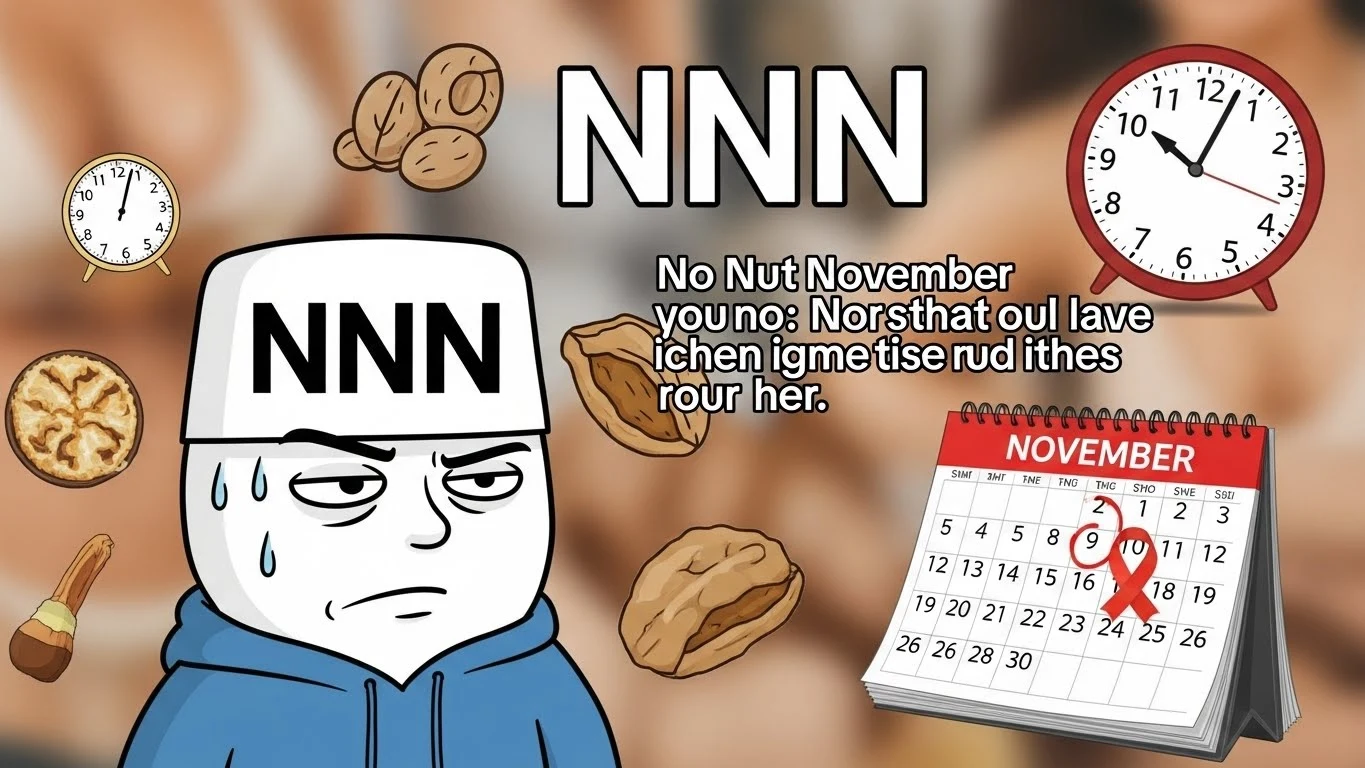
NNN stands for “No Nut November.”
It’s an internet challenge that takes place during the month of November, where participants challenge themselves to avoid a specific personal habit for 30 days. Over time, it has evolved into a meme-driven, self-discipline trend that’s often joked about online rather than taken seriously by everyone.
What NNN Actually Stands For
NNN is an abbreviation that breaks down like this:
- N = No
- N = Nut
- N = November
In slang terms, “nut” is informal internet language that can have different meanings depending on context. Online, it’s usually used humorously and casually, not formally.
The phrase first gained traction in meme culture and online forums before becoming a yearly viral trend.
Where Did NNN Come From?
NNN didn’t start as a mainstream challenge. It grew organically online.
Early Origins
- First appeared on internet forums and meme pages
- Spread heavily through Reddit and 4chan
- Later went viral on TikTok, Twitter/X, and Instagram
Why It Became Popular
- Easy to remember
- Time-based (only one month)
- Meme-friendly
- Encourages self-control themes
- Creates shared online humor
The internet loves shared challenges, especially ones that mix discipline with jokes.
How People Use NNN Online
Most people don’t talk about NNN seriously. Instead, it’s usually mentioned in a funny or exaggerated way.
Common Ways You’ll See It Used
- Meme captions
- Reaction comments
- Joke posts
- Short videos
- Sarcastic tweets
Example Scenarios
- “Day 3 of November and this app is already testing me 😭”
- “I forgot it’s November… pray for me.”
- “Who else already lost on day one? 😂”
In most cases, it’s comedy first, challenge second.
Is NNN Serious or Just a Meme?
Short answer: Mostly a meme.
Some people treat it as a personal self-discipline experiment.
Others treat it purely as a joke.
Two Types of Participants
1. The Serious Crowd
- Uses it as a willpower challenge
- Talks about focus and discipline
- Treats it like a personal goal
2. The Meme Crowd
- Makes jokes about “losing”
- Posts ironic updates
- Never intended to take it seriously
Both exist online—and that’s why the trend keeps coming back every year.
Why NNN Trends Every Year
NNN resurfaces annually for a few key reasons:
- Seasonal timing (only happens in November)
- FOMO effect (everyone’s talking about it)
- Meme revival culture
- New generations discovering it
Every year, new memes appear. Old jokes get recycled. And new users search for the meaning.
That’s why search traffic spikes hard every October and November.
NNN on TikTok, Instagram, and X
TikTok
- Short POV videos
- Countdown jokes
- “Day X of November” clips
- Exaggerated reactions
- Meme reposts
- Story polls
- Joke captions
X (Twitter)
- One-liners
- Sarcastic takes
- Trending hashtags
Social platforms turn NNN into collective humor, not just a challenge.
Slang and Related Terms You’ll See
NNN often comes with other internet phrases. Understanding them helps decode memes faster.
Common Related Slang
- “Day 1 survivor” – joking about lasting one day
- “Lost already” – ironic failure joke
- “Strong soldier” – meme praise
- “November test” – sarcastic reference
- “Internet challenge season” – joking about trends
These phrases are part of the same meme ecosystem.
Why Gen Z Talks About It So Much
Gen Z culture thrives on:
- Irony
- Shared experiences
- Short-form humor
- Viral repetition
NNN fits perfectly because it’s:
- Predictable
- Meme-able
- Low effort
- Community-driven
It’s less about the challenge and more about being in on the joke.
Is NNN the Same as Other Internet Challenges?
Not exactly.
How It’s Different
- No official rules
- No sign-ups
- No winners or losers
- No authority behind it
It’s a crowdsourced internet tradition, not a structured event.
Compared to Other Trends
| Trend | Purpose |
|---|---|
| Ice Bucket Challenge | Awareness |
| Fitness Challenges | Physical goals |
| NNN | Meme + self-control |
NNN exists mostly for online engagement.
Should Everyone Participate?
Participation is completely optional.
Some people:
- Join for fun
- Ignore it entirely
- Joke about it without participating
There’s no pressure and no real consequences.
If it’s not for you, scrolling past is perfectly fine.
Misunderstandings About NNN
Let’s clear up some confusion.
Common Myths
- ❌ “Everyone takes it seriously”
- ❌ “It’s mandatory online”
- ❌ “You have to announce participation”
Reality
- Most people joke about it
- Participation is personal
- It’s mostly internet humor
Understanding that removes unnecessary pressure.
Why People Search This Term So Much
Search spikes happen because:
- New users see the term for the first time
- Memes don’t explain meanings
- People want quick clarity
- November triggers curiosity
It’s a classic viral slang cycle:
Trend → Confusion → Search → Understanding → Meme
The Bigger Picture: Internet Culture Cycles
NNN is a great example of how internet culture works:
- A joke becomes a trend
- A trend becomes tradition
- Tradition becomes yearly nostalgia
That’s why it hasn’t disappeared.
Final Thoughts
NNN is less about rules and more about shared internet humor. It shows how online communities create inside jokes that resurface year after year.
Some take it as a personal challenge, many treat it as a meme, and most just enjoy the chaos in comment sections.
Understanding it helps you stay culturally fluent online—and lets you enjoy the joke without confusion.