Staying updated with modern slang is basically a full-time job. New terms hit the internet every day, and suddenly everyone on TikTok, X (Twitter), and Insta is using a word you’ve never heard before.
One of those culture-shaping slang terms is 🚀what does woke mean🚀 — an expression that has been trending for years yet keeps evolving with every new trend, meme, and debate.
This guide breaks the whole thing down in a simple, fun, and human-friendly way so you’ll never misinterpret it again.
⭐ Quick Answer
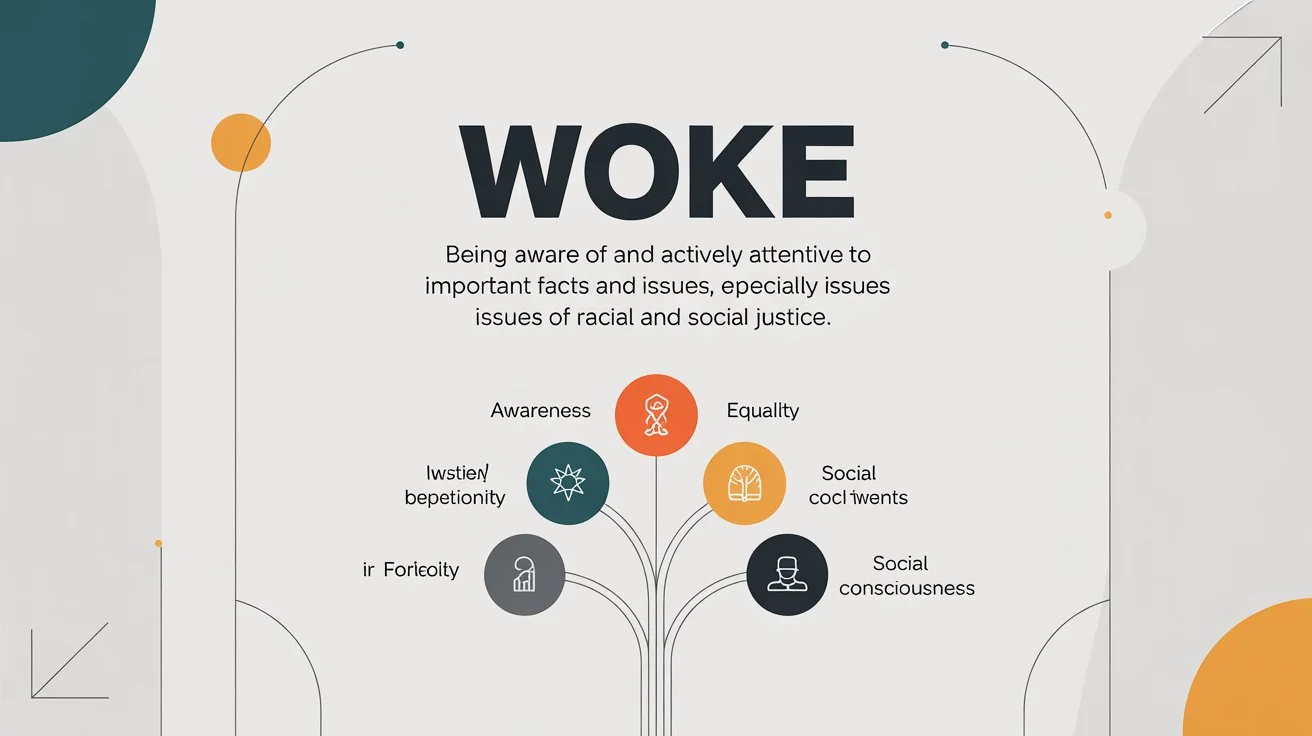
“Woke” means being aware — especially socially, politically, and culturally aware.
It’s used to describe someone who understands inequality, recognizes injustice, questions harmful systems, and stays mindful of how the world actually works… not just how it appears on the surface.
But that’s just the basics. The term carries layers, tone shifts, and contexts you must understand to use it properly. Let’s decode them.
🌍 The Origin of “Woke”: How Did This Term Even Start?
“Woke” wasn’t born on TikTok. It didn’t come from memes. It didn’t fall out of Gen Z’s slang generator.
It originally meant:
- Stay aware
- Stay alert
- Don’t be fooled
- Know what’s happening even when people try to hide it
It was a call for awareness — especially regarding discrimination, inequality, and systemic issues that weren’t openly discussed.
Later, as social media exploded, the expression spread worldwide. From activism to pop culture, it became a one-word symbol for consciousness and awareness.
🧠 The Modern Meaning: What People Mean Today
In today’s online world, “woke” carries different vibes depending on the situation, tone, and the person using it. Here’s a clear breakdown:
🔹 1. The Positive Meaning (Original Sense)
Many people still use woke in a positive way, meaning:
- You’re aware of social issues
- You understand human rights and fairness
- You don’t ignore injustice
- You stay updated and informed
- You question things instead of blindly believing them
Example (Positive):
“She’s so woke about environmental issues. She actually takes action instead of just posting quotes.”
It’s like calling someone smart, aware, compassionate, and observant.
🔹 2. The Neutral or Humorous Meaning
Sometimes people say “woke” jokingly or casually to describe someone who acts overly self-aware.
Example (Neutral/Funny):
“Bro ate one salad and suddenly thinks he’s woke.”
This usage is playful, not deep.
🔹 3. The Criticizing or Sarcastic Meaning
In the last few years, the term also turned into a political buzzword, often used sarcastically to criticize:
- Over-the-top activism
- Performative awareness
- People who act socially conscious just for clout
- Groups seen as too sensitive or “too politically correct”
Example (Critical):
“He changed his profile picture for two days and thinks he’s woke now.”
Here, it’s not about awareness — it’s about exaggeration.
🔥 Why “Woke” Became a Trending Buzzword
The reason “woke” exploded across the internet?
It’s emotional, catchy, and flexible.
It taps into:
- Social issues
- Cultural movements
- Online debates
- Cancel culture
- Ethical conversations
- Activist hashtags
- Memes and humor
The word became a shortcut for talking about awareness (or the lack of it) without giving a full TED Talk.
📱 How “Woke” Is Used on Social Media
The meaning shifts depending on the platform and vibe. Here’s the quick guide:
TikTok
Used humorously, often joking about people pretending to be conscious.
Mostly motivational, aesthetic, or socially aware captions.
Twitter / X
Politicized, debated, sometimes controversial.
YouTube
Used in commentary videos about trends, culture, and activism.
🗣️ Examples of “Woke” in Real Life Conversations
✔ Situational Example 1: Awareness
A: “Did you see that documentary? It really opened my eyes.”
B: “Damn, you’re woke now.”
✔ Situational Example 2: Humor
A: “I bought a reusable cup today.”
B: “Look at you being all woke.”
✔ Situational Example 3: Sarcastic
A: “I only shop at ethical brands now.”
B: “Okay calm down, Mr. Woke.”
✔ Situational Example 4: Appreciative
A: “He always stands up for people who are treated unfairly.”
B: “Yeah, he’s genuinely woke.”
Each one carries a slightly different energy. The tone matters.
🎯 When You SHOULD Use the Word
Use it when talking about:
- Social awareness
- Cultural sensitivity
- Activism
- Discussions on identity, equality, or justice
- Someone truly informed and conscious
Example:
“She stays woke about mental health stigma and always encourages people to get help.”
🚫 When You SHOULDN’T Use the Word
Avoid using it when:
- You’re mocking someone’s real struggles
- You’re trying to belittle an issue
- It becomes dismissive
- You’re using it without understanding the context
Some topics require sensitivity, not slang.
🌐 How Brands Use “Woke” in Marketing
Brands sometimes jump on trends to connect with younger audiences. You might see companies using awareness themes in campaigns around:
- climate justice
- gender equality
- diversity
- inclusion
- sustainability
When done right, people applaud it.
When done wrong, it becomes “performative activism.”
That’s when a brand looks conscious but only for marketing benefits.
🧩 The Psychology Behind the Word
“Woke” resonates because:
- People want to be seen as empathetic.
- People want to feel smarter or more aware.
- People want to stand up for issues that matter.
- No one wants to feel ignorant.
It’s a modern badge of emotional intelligence, but also a magnet for criticism if misused.
🔍 How the Meaning Changed Over Time
Originally: Stay aware of hidden injustices.
Recently:
- Used in jokes
- Used in debates
- Used politically
- Used to call out performative behavior
It evolved from a niche cultural term into a global meme and now a mainstream expression with multiple layers.
⚡ The Future of the Word
Like many internet slang terms:
- It may fade
- It may evolve
- It may be replaced
- It may keep its meaning but shift tone
Language transforms constantly, especially online. But awareness, consciousness, and empathy will always matter, even if the slang changes.
🏁 Conclusion:
At its core, being aware — truly aware — is what the term was always about. Not showing off. Not trying to look smart. Not using buzzwords for clout.
It’s about understanding the world beyond your own bubble.
It’s about seeing people as people.
It’s about knowing more, caring more, and doing better.
Use the word wisely.
Use it respectfully.
Use it authentically.
That’s the real essence behind its meaning.