If you’ve ever gone hiking, explored a backyard trail, or simply stepped into the wilderness with zero plant knowledge (same 😅), you’ve probably worried about brushing up against something you shouldn’t.
One of the most common culprits? Poison ivy — the tiny plant with the major drama.
People search for 🚀what does poison ivy look like🚀 because nobody wants to deal with itchy, blister-filled skin for the next two weeks.
This guide breaks everything down in the simplest way possible: how to spot it, where it grows, when it’s most dangerous, and how to avoid it like a pro.
Let’s make sure you never “accidentally touched it” again.
🌟 Quick Answer (The Fast, No-Scroll Version)
Poison ivy typically has:
- Three pointed leaflets (“Leaves of three, let it be”).
- Glossy or slightly shiny leaves, especially in summer.
- Reddish leaves in spring, green in summer, yellow/orange/red in fall.
- A vine-like stem that may climb trees, fences, or walls.
- White or off-white berries in late summer/fall.
If you’re unsure just don’t touch it. Your skin will thank you.
🌱 How Poison Ivy Really Grows (And Why It’s Sneaky)
Poison ivy is basically the shapeshifter of the plant world.
It can appear as:
- A ground plant
- A shrub
- A vine that climbs trees or walls
- A plant with varied leaf shapes depending on the season and location
This is why even adults who’ve been outdoors for years still get fooled by it.
🌿 The Three-Leaf Signature
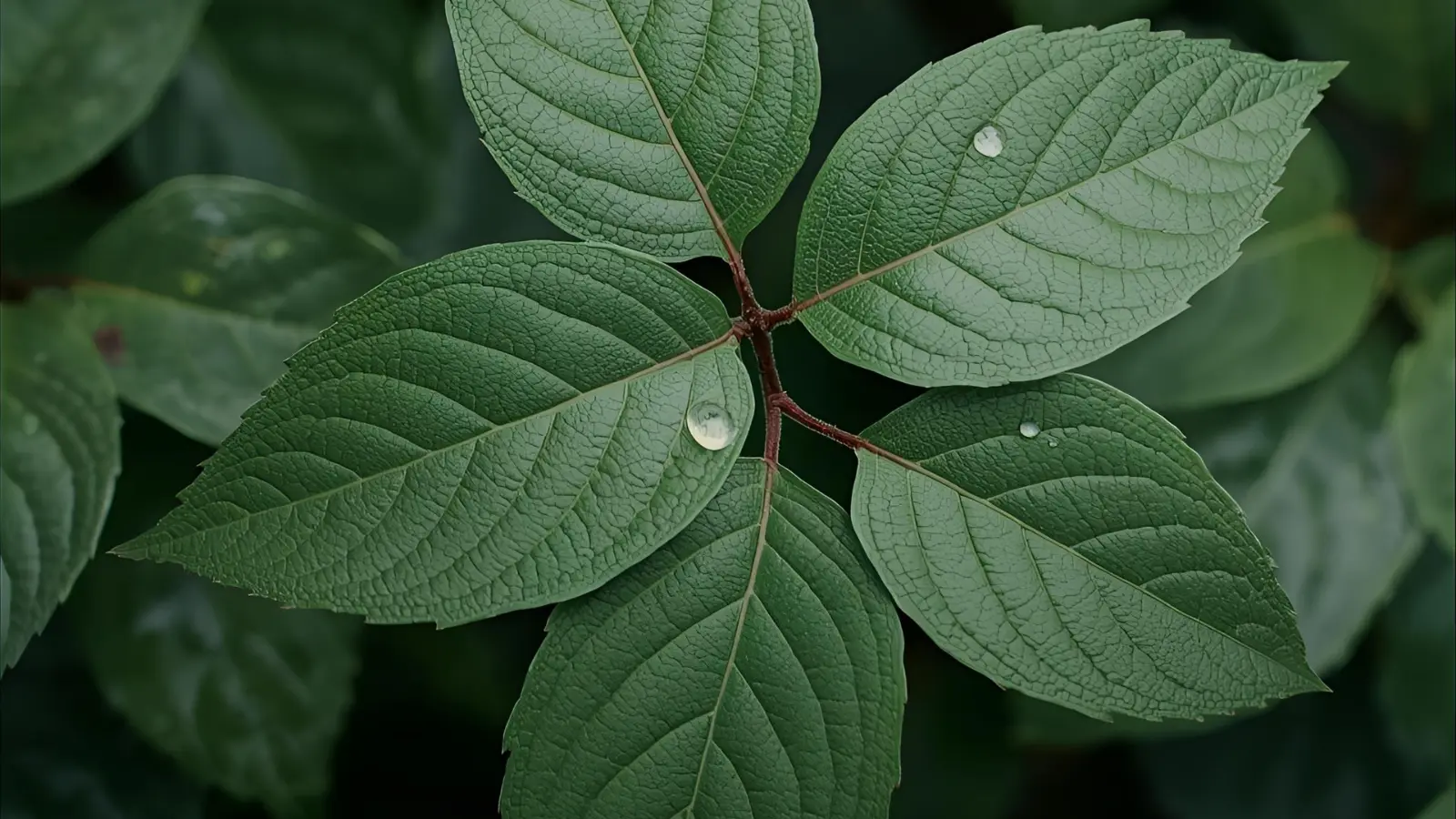
Almost always, the plant grows in clusters of three leaflets:
- The center leaf usually has a longer stalk.
- The two side leaves sit directly on the stem.
- Edges can be smooth, toothed, or even a little lobed.
Nature really said “I’ll make every plant look similar just for chaos.”
🍃 Seasonal Look: Poison Ivy Through the Year
Poison ivy does NOT look the same all year — and that’s part of the problem.
Here’s how it changes:
🌸 Spring
- Leaves start off reddish or bronze.
- New growth looks soft and shiny.
- Plants stay low to the ground as they develop.
☀️ Summer
- Leaves turn a rich green and appear more glossy.
- This is when the plant is at its peak.
- It may grow tall or climb trees aggressively.
🍁 Fall
- Leaves transform into yellow, orange, or bright red.
- Looks pretty… but trust me, don’t touch.
❄️ Winter
- Leaves fall off — but the oils remain in vines and branches.
- Bare stems can still trigger a reaction.
Moral: this plant is dangerous 24/7, all seasons, all vibes.
💥 What Makes Poison Ivy So Problematic?
The true villain is urushiol, the sticky plant oil found in:
- Leaves
- Stems
- Roots
- Even dead or dried plants
- Pets’ fur (yep, they can carry it)
Urushiol is so powerful that just 1 billionth of a gram can cause a reaction.
For real.
Symptoms can include:
- Itching
- Redness
- Blisters
- Swelling
- A burning sensation
Symptoms usually show up 24–48 hours after contact.
🌿 Common Places You’ll Find It
Poison ivy thrives anywhere humans like to walk around cluelessly:
- Hiking trails
- Forest edges
- Roadside areas
- Backyards
- Riverbanks
- Fences and walls (as vines)
It grows across North America, especially:
- The East Coast
- Midwest
- Southern states
Less common in deserts and extremely cold zones — so no, Antarctica doesn’t have poison ivy (yet).
🔍 How to Identify It in Real Life (Practical Scenarios)
Here are real-world situations where poison ivy tries to fool you:
🧗♂️ 1. Climbing Trees and Posts
You see a vine wrapped around a tree like a spiral staircase?
If it has hairy, fuzzy roots on the vine — that’s poison ivy’s villain origin story.
🌳 2. Blending With Other Green Plants
It often grows near:
- Virginia creeper
- Boxelder
- Blackberry bushes
All of which can look confusingly similar at first glance.
🏕️ 3. Sneaking Onto Trails
Sometimes it sticks out into walking paths or campsites.
Hikers brush past it without even noticing until the itching hits.
🐶 4. Pets Picking It Up
Dogs and cats don’t react to urushiol, but they can carry it on their fur.
If they romp through vegetation and then rub on you — surprise!
🧪 Leaf by Leaf Breakdown (Simple Visual Guide)
Here’s how each part typically looks:
🍂 Leaflets
- 3 leaflets per group
- Pointed tips
- Slightly shiny
- Sometimes wavy edges
🌱 Stem
- Green when young
- Turns brown and woody as it ages
- May appear hairy if climbing
🌸 Flowers
- Small, greenish-white clusters
- Usually bloom in late spring
🍇 Berries
- White or pale yellow
- Appear in late summer
- Birds love them (lucky them)
❌ Plants That Look Like Poison Ivy (But Are Safe)
Mother Nature likes to play games.
Here’s what often gets mixed up:
🍀 1. Virginia Creeper
- Has five leaflets
- Grows as a vine
- Often misidentified at a distance
🌿 2. Boxelder Saplings
- Leaves grow in clusters of three
- But edges are more jagged
- Stems are opposite, not alternating
🍇 3. Blackberries / Raspberries
- Thorns (poison ivy never has thorns)
- Leaves often come in groups of three or five
🌲 4. Wild Strawberries
- Three leaves, but rounder and softer
- Doesn’t climb or form vines
If you’re unsure → assume it’s off-limits.
🛑 What To Do If You Touch It (Or Think You Did)
Quick response can save your skin — literally.
⭐ Step-by-step:
- Wash the area immediately
- Use soap + cold water
- (Hot water opens pores → bad idea)
- Clean under your nails
- Urushiol gets trapped everywhere
- Wash clothes you were wearing
- Oils stick to fabric like glue
- Avoid scratching
- It spreads the irritation and may lead to infection
- Apply treatments
- Calamine lotion
- Hydrocortisone cream
- Cold compresses
- Seek medical help if:
- Rash spreads to eyes
- You have difficulty breathing
- The reaction looks severe or infected
🧤 How to Avoid Poison Ivy Like a Pro
A few smart habits can save you from an itchy week:
1. Wear covered clothing outdoors
Long sleeves + long pants = less exposure.
2. Learn the three-leaf pattern
It becomes second nature once you recognize it.
3. Keep pets from wandering through heavy vegetation
Especially during summer hikes.
4. Don’t burn unknown plants
Poison ivy smoke is extremely dangerous.
5. Use barrier creams
Some outdoor lotions reduce absorption.
🌿 Bonus: Myths vs. Facts
❌ Myth: You can spread poison ivy by touching your rash.
Truth: The rash isn’t contagious. Only the oil spreads it.
❌ Myth: The plant is safe if the leaves look dry.
Truth: Oil lasts for YEARS, even on dead plants.
❌ Myth: Everyone reacts the same way.
Truth: Sensitivity varies. Some people barely react — others swell dramatically.
💬 Real Life Example: The “Backyard Makeover Disaster”
Imagine this:
You decide to clean up your yard.
You pull a random vine off your fence.
It feels harmless. You go inside.
Next morning?
Red, itchy streaks everywhere you touched it.
That’s how fast poison ivy catches you off guard.
Moral: identify first, pull later.
🧭 Final Tips to Stay Rash Free
If you remember nothing else, remember this:
- Three leaves = stay away.
- Shiny leaves = suspicious.
- Red leaves in spring or fall = don’t risk it.
- Hairy vines = instant no.
When in doubt, do NOT touch.
It’s not worth weeks of regret.
🔚 Conclusion
Poison ivy isn’t something to fear just something to understand.
Once you learn how to identify its leaf shape, growth pattern, seasonal colors, and sneaky vine behavior, you’ll be able to spot it instantly.
Whether you’re hiking, gardening, camping, or exploring the outdoors, a little plant knowledge goes a long way.
Stay alert, trust your instincts, and keep your skin safe all year long.